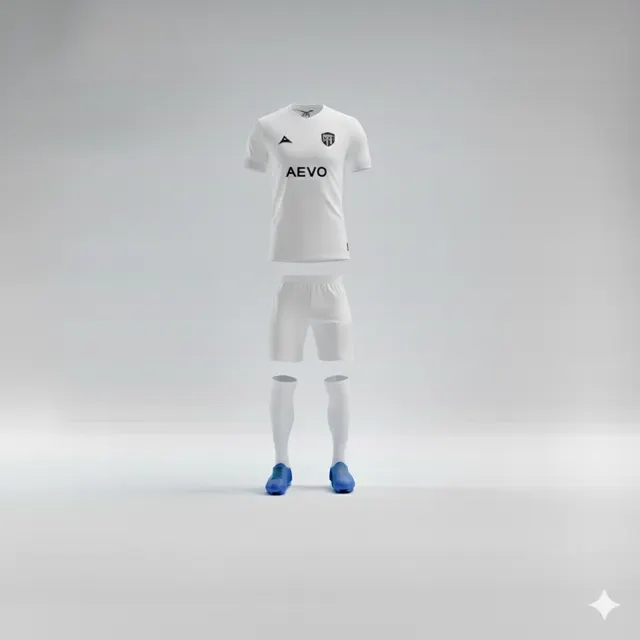
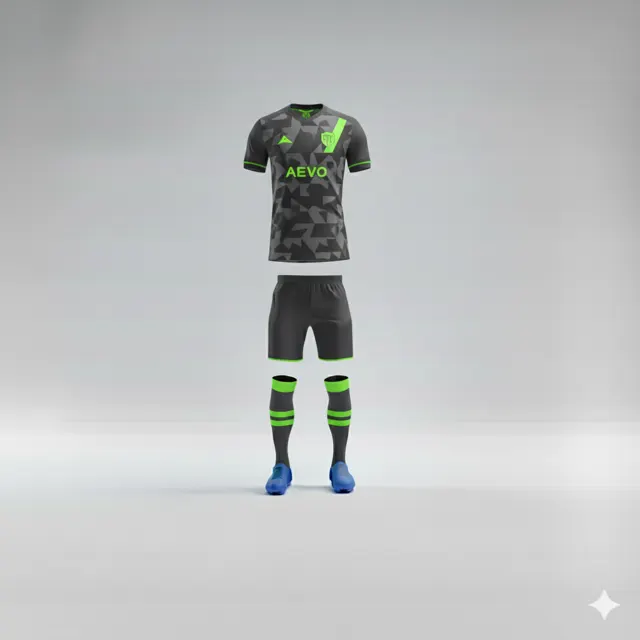
Make kit decisions easier: essential, preferred and optional
Separate must-haves, preferences and optional ideas to resolve competing requests at your club’s next shirt design meeting.

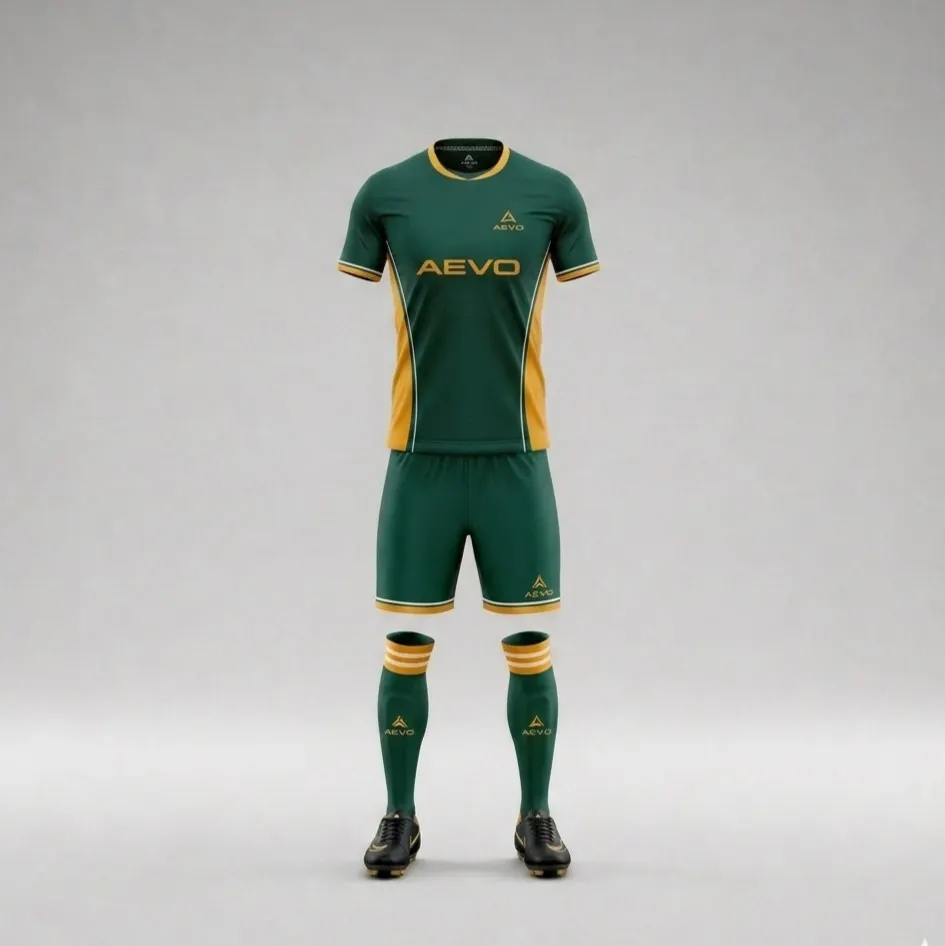
Why every request cannot carry equal weight
A design meeting may start with a short list and end with colours, patterns, names, numbers and logos all labelled “important.” When every idea has equal weight, it is hard to decide what should change when two requests conflict. A simple priority system opens a better conversation: sort every idea as essential, preferred or optional. The categories do not dismiss anyone’s suggestion; they show what is needed for the shirt to feel like the club and what can be adjusted. It can help to collect ideas from everyone before discussing them. That way, the first person to speak does not set the entire brief.
Define the levels so they work in practice
An essential is something the design cannot lose without failing its purpose, such as the club’s central colour or an approved crest. A preference improves the result but can be adapted if it does not work alongside other elements; an accent colour or a particular line motif might fit here. Optional ideas would be welcome but can be dropped without weakening the shirt’s identity. Add a short reason to each item. “We want navy” is less useful than “navy is central to our club identity.” The reason helps the group find alternatives if the exact solution does not work.
Resolve conflicts without turning the meeting into a vote
Put requests side by side and ask what the disagreement is really about. Two people may prefer different patterns but agree that the shirt should feel energetic; several visual solutions might meet that underlying goal. Try reducing a detail, moving it to another garment area or using a colour as a small accent rather than a large block. If two supposed essentials cannot coexist, ask the group to rank which one matters most and record the decision. A simple sketch or reference from team kits can help discuss proportions, but do not make a decision solely on how a screen displays a colour.
Lock decisions in a useful order
Once the group has picked a direction, approve the main identity elements first. Then consider preferences one by one and leave optional details until the end. This order stops decorative choices from crowding out recognisable club features. Save the list with a date and an owner, marking each point as agreed or still open. When a design mock-up comes back, check it against the list rather than starting again from unstructured opinions. If it sparks new ideas, assign them a category and see whether another priority needs to change. When the brief is clear, ask AEVO for a design proposal and include the priorities when requesting a quote.