Create a teamwear moodboard without getting lost in too many ideas
Collect and label references for club teamwear so a moodboard inspires an original design instead of becoming a pile of unrelated images.
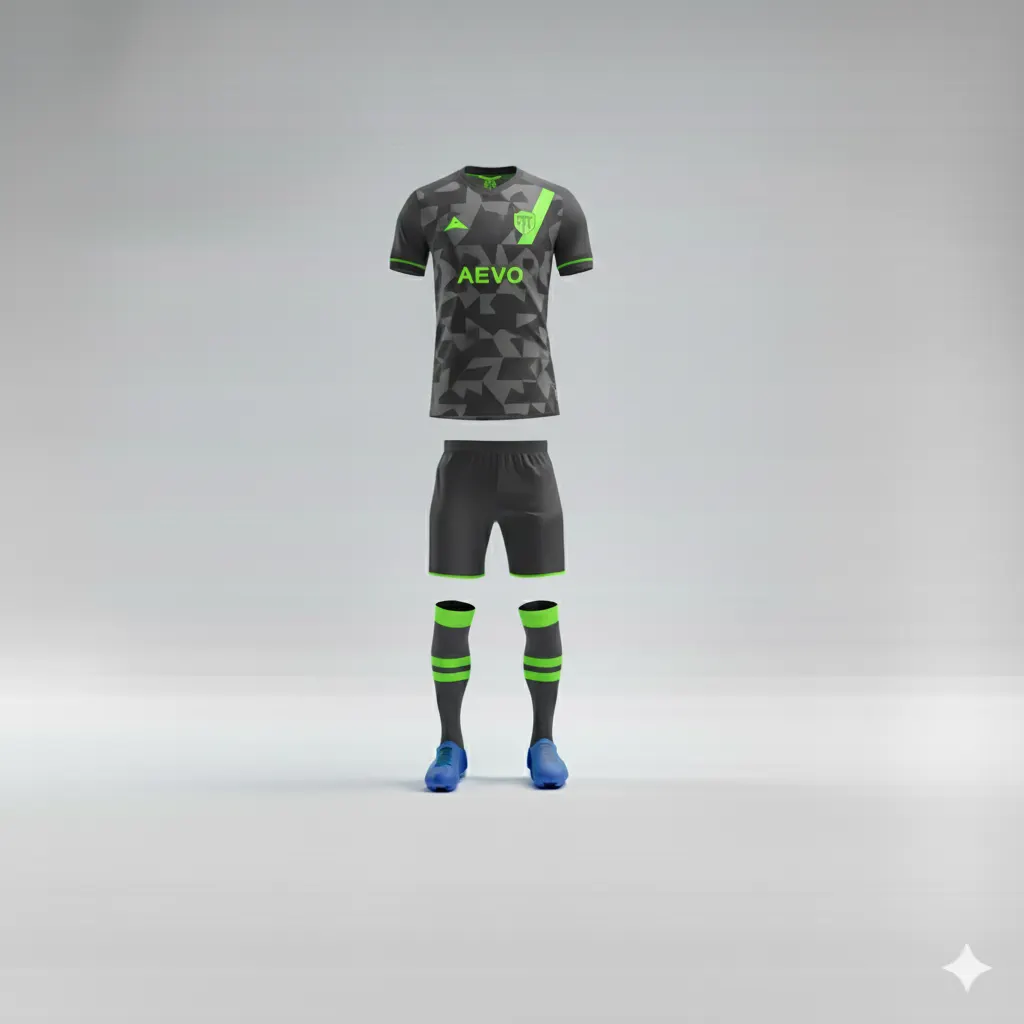
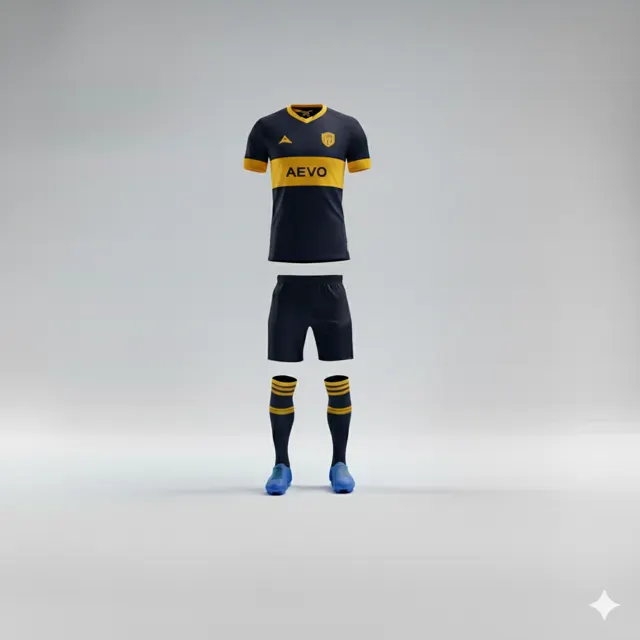
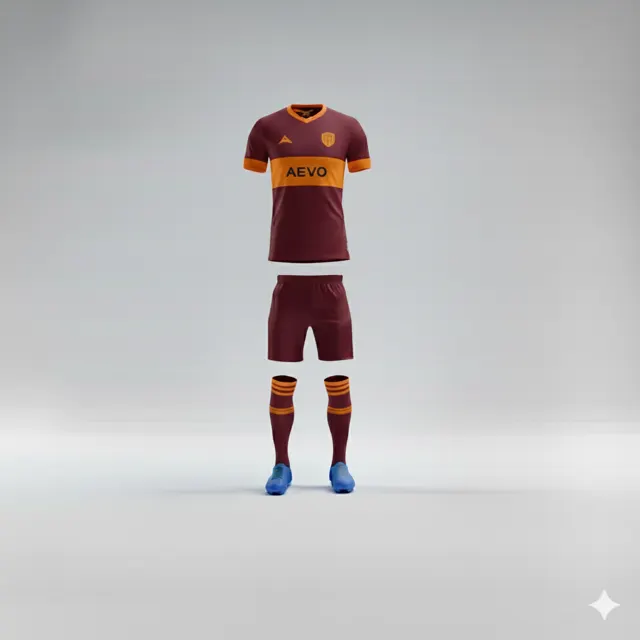
A moodboard should make it easier to discuss direction, not become a collage that everyone interprets differently. When players share images of other clubs, old shirts and social posts, the group needs to label what it actually likes: the colour, mood, scale of a pattern or placement of a badge. That makes inspiration useful without borrowing another club’s finished identity.
Choose a small set of clear references
Start with a limited selection showing different aspects of the brief. One reference might show a palette, another a simple graphic rhythm, and a third how a crest has breathing room. Avoid collecting ten nearly identical shirts; they make it harder to see which direction matters. Include the club’s own colours or symbols so the references connect to its identity.
Add a note to each image
Write what inspires you and what you do not want to copy. For example: “like the dark base and clear contrast, not the diagonal stripe.” That explanation is more useful than an image without context. Record where the reference came from and use it for discussion, not as artwork to print directly.
Look for shared qualities
Once the board is assembled, compare the images and circle no more than two or three recurring characteristics. Perhaps there is a recurring contrast, calm space around the crest or a sense of movement. If every reference contributes a new main message, the result will feel scattered. Choose what should lead and set the rest aside as alternatives.
Turn inspiration into your own brief
Describe the shared qualities in words and concrete choices. Attach the correct club logo and identify what is non-negotiable. A moodboard suggests direction, but a final concept needs to be designed for your garment and club. Browse teamwear and send the annotated board through contact when requesting a mock-up. Make sure you have permission to use any marks and symbols you share.
Turn the board into a decision
After collecting references, give the group a few quiet minutes to look before discussion begins. Ask each person to choose one image and name one quality worth exploring: perhaps its clear colour contrast, the space around a crest or the way a restrained pattern guides the eye. Also ask what should not be carried over from that image. This makes the difference between borrowing a principle and copying a design explicit. Sort the qualities into those several people support and those raised by one person. You do not need a vote on every detail; decide which direction to test first and which alternatives to keep for a later round. Add a photograph or symbol from the club’s own history or locality if it makes the direction more personal. Check that it does not include another team’s badge or imagery the club lacks permission to use.