Choose a clear visual direction for a new club shirt
Compare classic, graphic and minimalist directions for a new club shirt, then make a confident choice. Ask AEVO for a design proposal.

Start with the feeling, not an effect
A new club shirt meeting can quickly become a contest between isolated ideas: one person wants a diagonal stripe, another wants more colours, and someone else wants to recreate an older version. Begin instead by describing the feeling the garment should convey. Should it echo club history, look energetic on the pitch, or feel restrained enough to remain useful for several seasons? Write one sentence that captures the ambition and use it to test later choices. A detail may look attractive on its own yet pull the design in a different direction; it does not have to stay. This gives the discussion something concrete to work with without deciding the final shape too early.
Three directions, different strengths
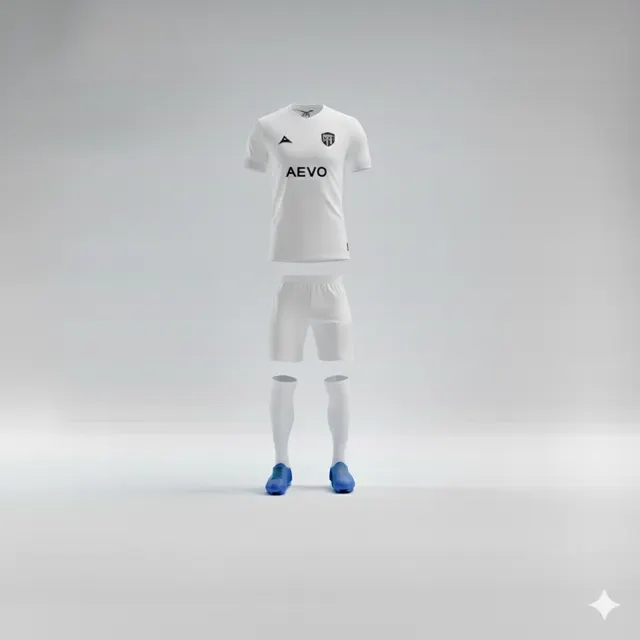
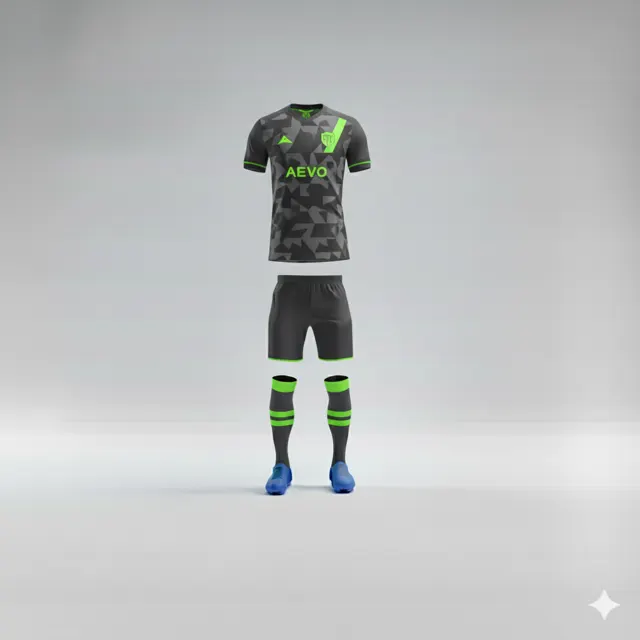
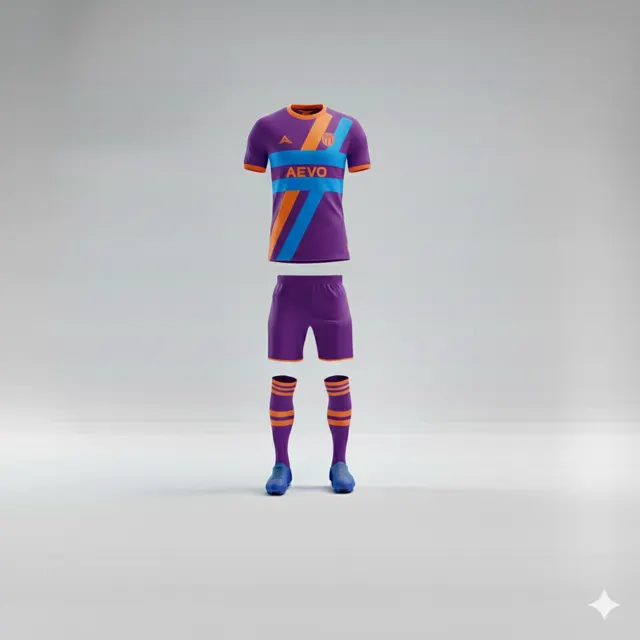
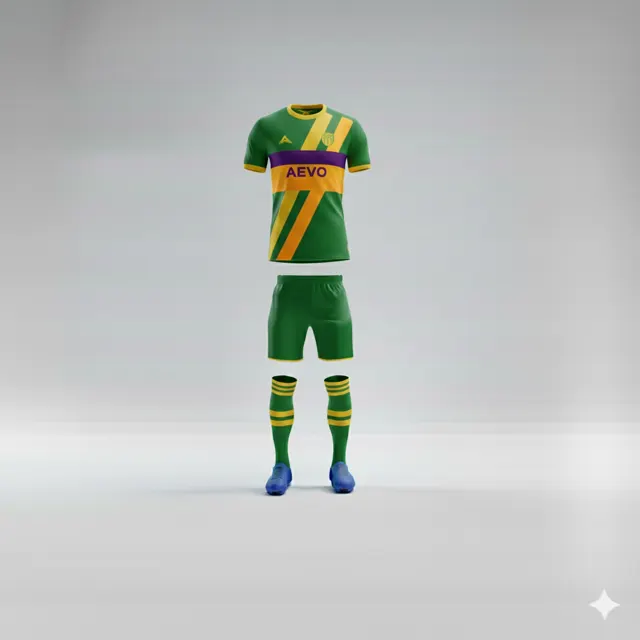
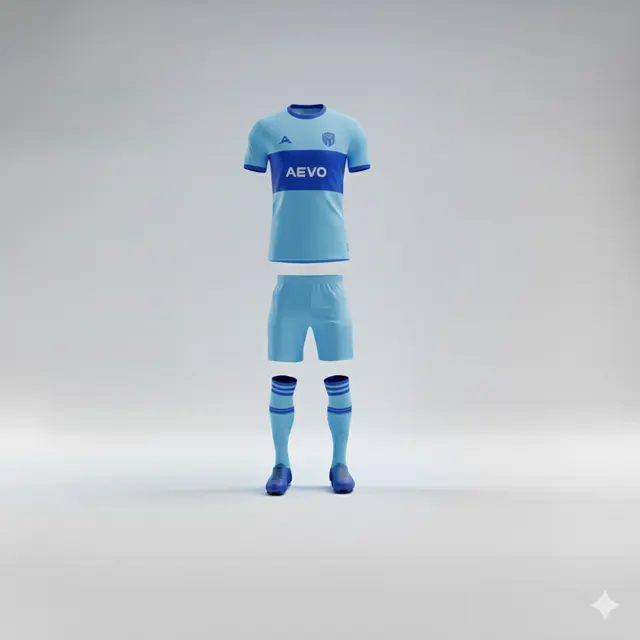
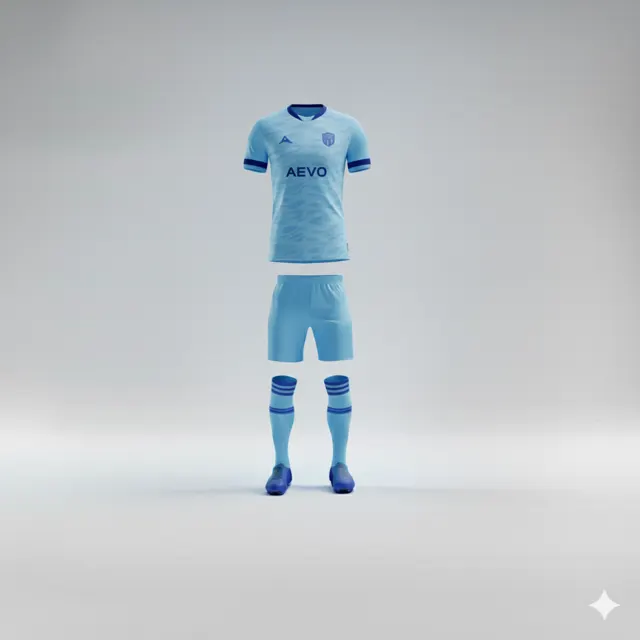
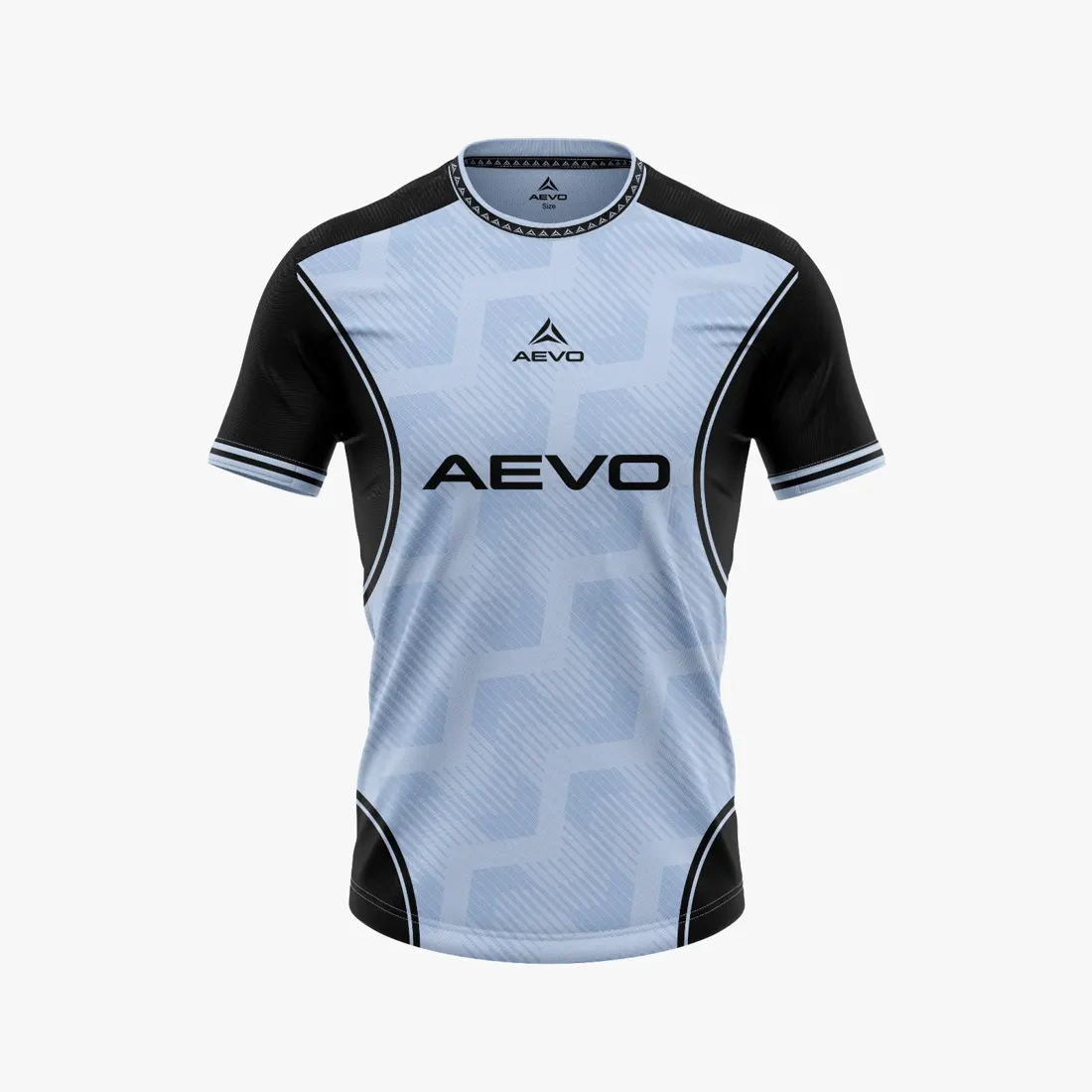
A classic direction often uses a small, familiar palette and clear blocks of colour. It suits a club that values recognition and continuity; the update might sit in a collar, trim or proportion rather than replacing the identity. A graphic direction uses lines, geometry or rhythm to suggest movement. Choose one principal idea instead of stacking patterns that compete for attention. A minimalist direction lets colour, silhouette and a discreet crest carry the composition. Minimal does not mean effortless: when there are few elements, contrast and placement become especially visible. Look at the club’s previous apparel and browse AEVO team kits for references, but treat them as starting points rather than ready-made answers.
Compare options against shared criteria
A quick vote is not a substitute for a useful comparison. Assess each direction using the same questions: are the club colours recognisable from a distance, does the shirt feel like yours, does the crest read against its background, and can the look sit comfortably with shorts and socks? Ask people in different roles to describe what they notice first before telling them which sketch they are reviewing. If everyone notices a pattern but no one notices the badge, that tells you something about hierarchy. Decide which features must remain consistent from season to season and which can change. Screen colours vary, so digital artwork helps you discuss direction; it cannot promise an exact shade on a finished garment.
Turn the choice into a practical brief
Once the group agrees, record the decision in a short note: the chosen direction, two or three features that should be unmistakable, and ideas deliberately left out. Add references and identify colours or symbols that belong to the club. If you move to a mock-up, review front, back and detail views together rather than approving a single image. Collect comments through one coordinator or document so the next round does not become a fresh debate. AEVO presents teamwear on its kits page; when the direction is clear, contact the team to request a design proposal or quote.