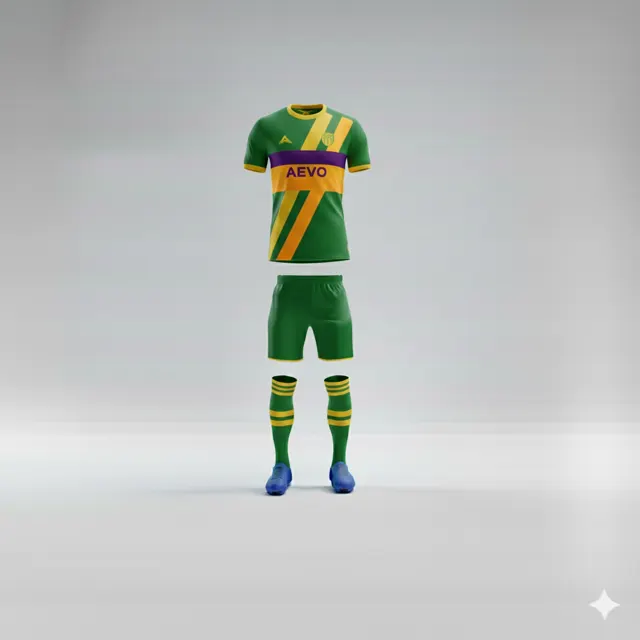
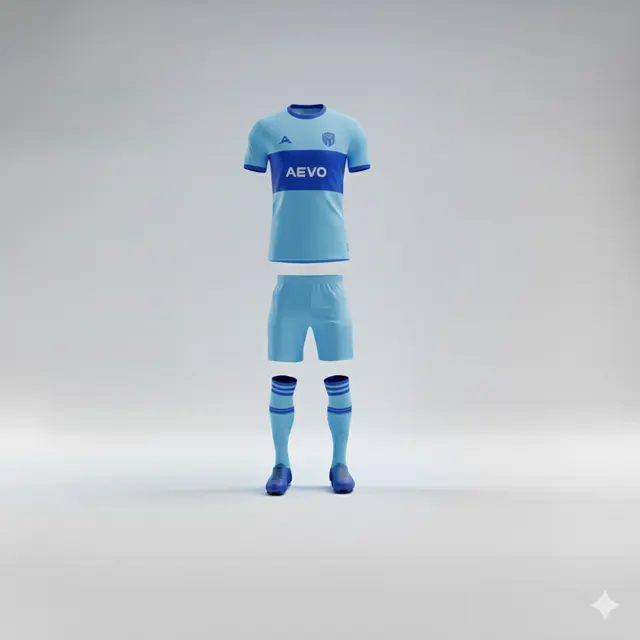
How much design freedom should teams share in one club?
Set shared club design rules without making every team identical. Decide what stays fixed and where squads can make choices with a clear brief.

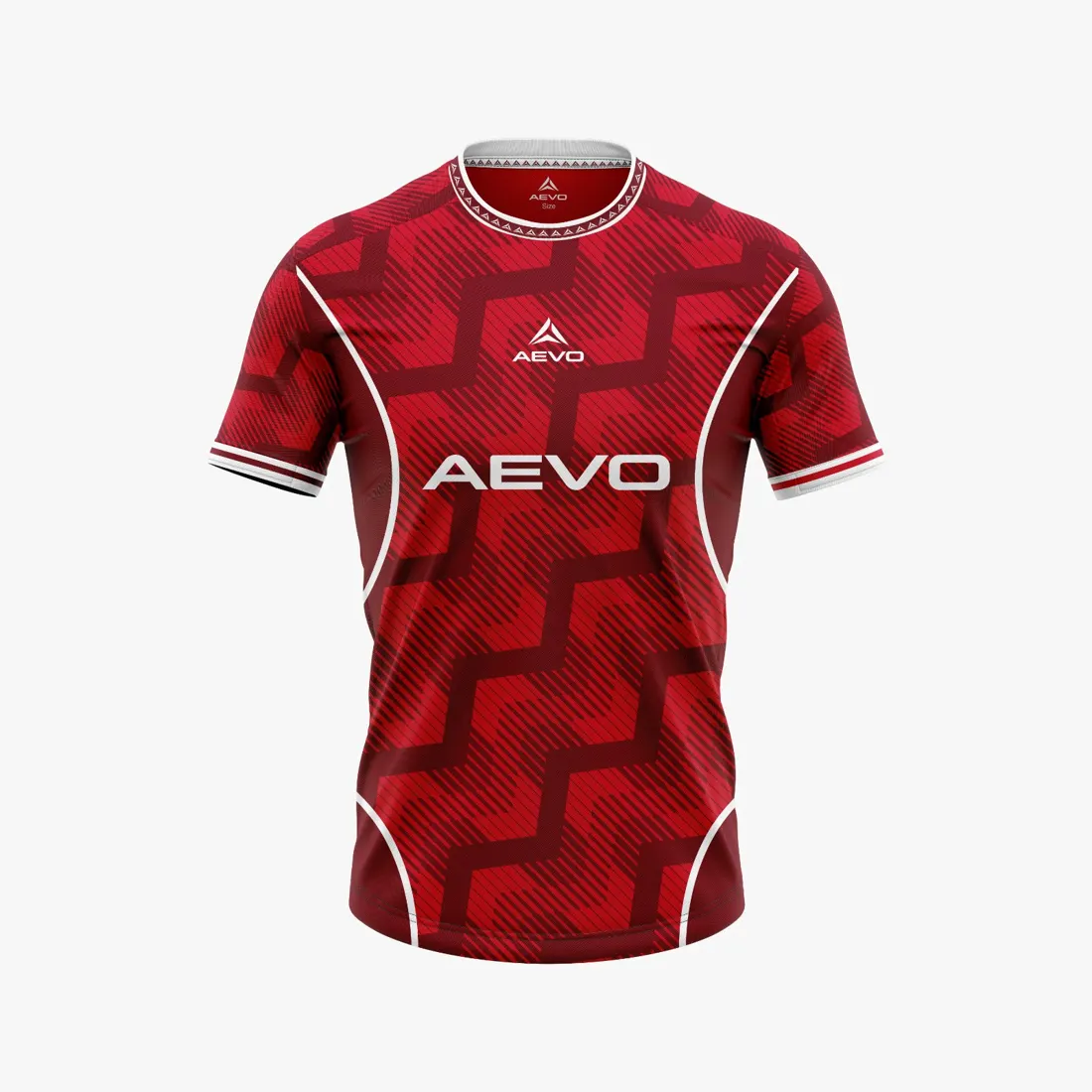
A club identity does not require identical shirts
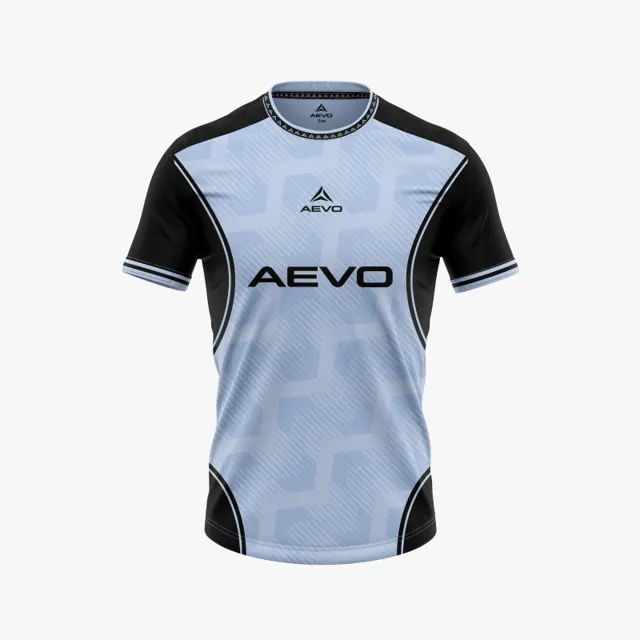
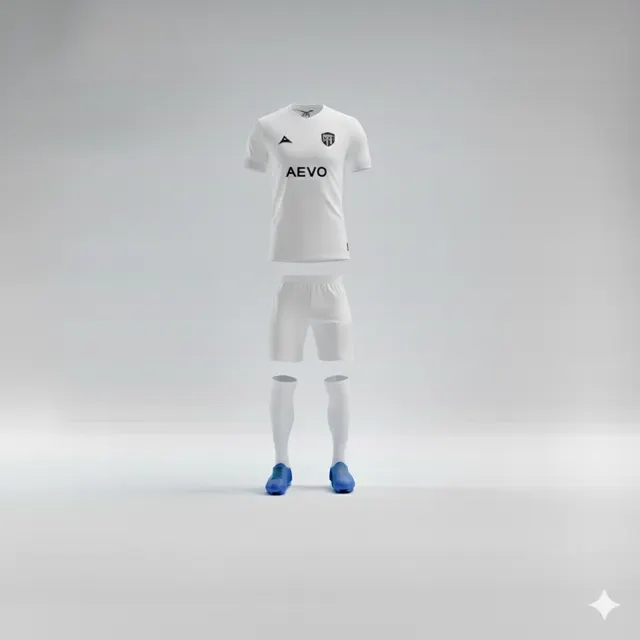
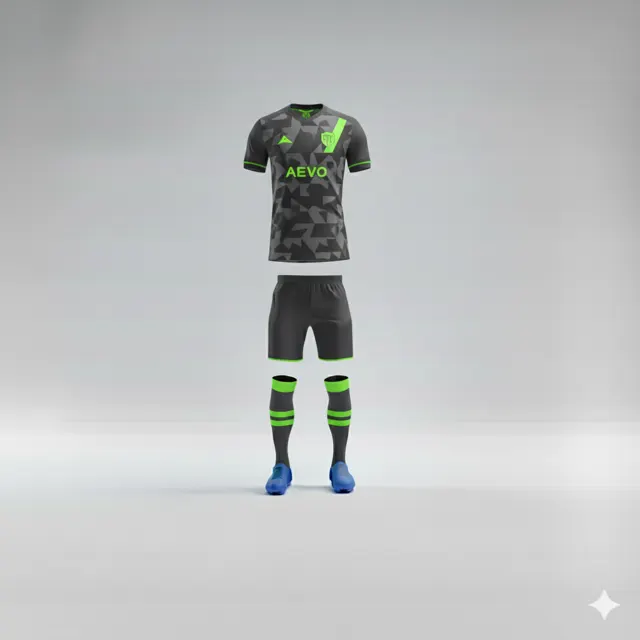
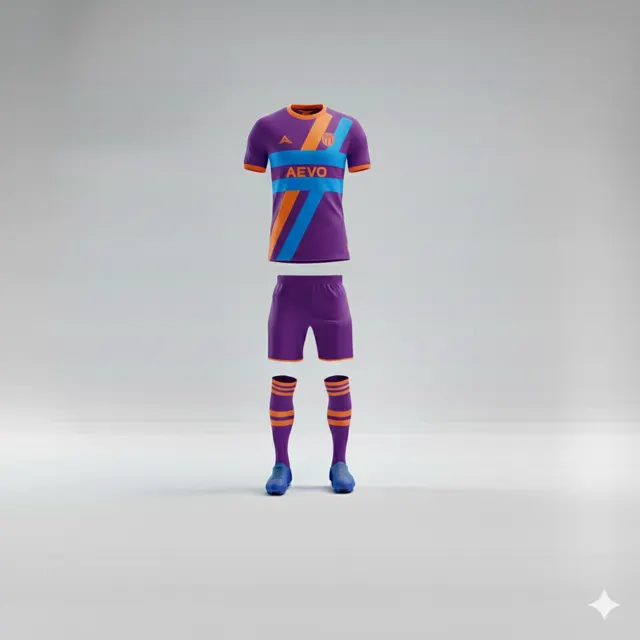
When a club has senior sides, youth teams and perhaps several levels, the same question returns: should every team wear exactly the same design, or should each squad have a say? There is no universal answer. A useful shared design works more like a visual language than a copy. A few recurring cues can make teams feel related while leaving room for an expression that suits each group. Start with the purpose: do you want spectators to recognise the club quickly, make repeat ordering easier, or give teams more ownership? Naming the purpose makes any compromise easier to explain. Think of club kits as a way to bring a collection together, not a demand for identical details.
Define the club’s fixed visual grammar
Choose a small number of elements that genuinely carry identity. They might be the main colours, a particular balance of colours, the crest, or the principle that one base colour appears across match shirts. State the rules concretely enough that a new volunteer can understand them: for example, which colours need to feature and which area should remain clear for the badge. Avoid fixing every pattern and trim if you want teams to have a voice. A long list of mandatory details is hard to remember and turns every small change into a negotiation. Confirm that the club has permission to use each badge or logo included in the design; request permission when necessary.
Give teams a bounded space to vary
Let teams choose within clear limits. A side might suggest an accent colour, a subtle graphic or a more restrained treatment of selected details, while the club colours and crest remain shared. Another model keeps the home shirt consistent but allows more variation in alternative pieces. Make clear that a preference is not automatically a guarantee: proposals may need to fit the product’s possibilities and work with the other colours and placements. Ask each team to submit ideas in the same format, with a reference, priority and brief reason. That makes proposals easier to compare on their merits and reduces the chance that the loudest voice wins every decision.
Make the agreement last beyond this season
Create a one-page guide listing fixed cues, permitted variations, who approves the final proposal and when the rules will be reviewed. Save the approved logo artwork and colour references so next season’s organisers do not have to start from scratch. Explain the policy to players and coaches with a simple example: this is the club-wide foundation, and this is where the team can choose. If different teams order at different times, check current product and availability information rather than promising every variation can always be reordered. Explore AEVO’s team kits and contact the team to discuss a coherent direction and request a design proposal or quote.