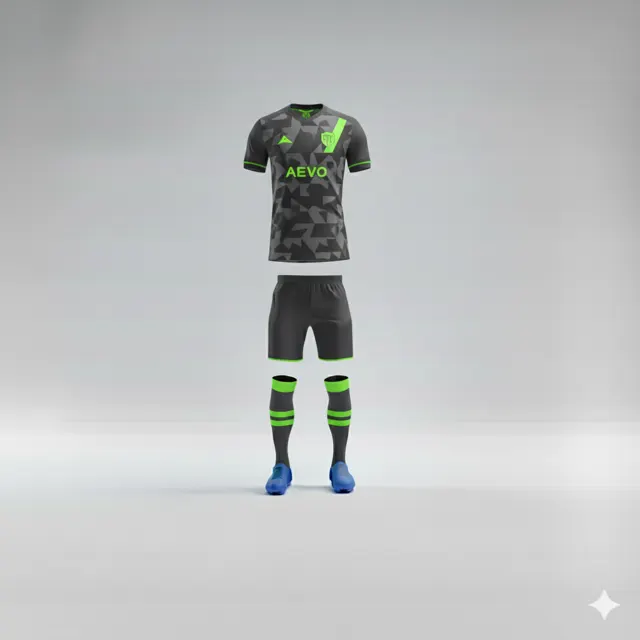
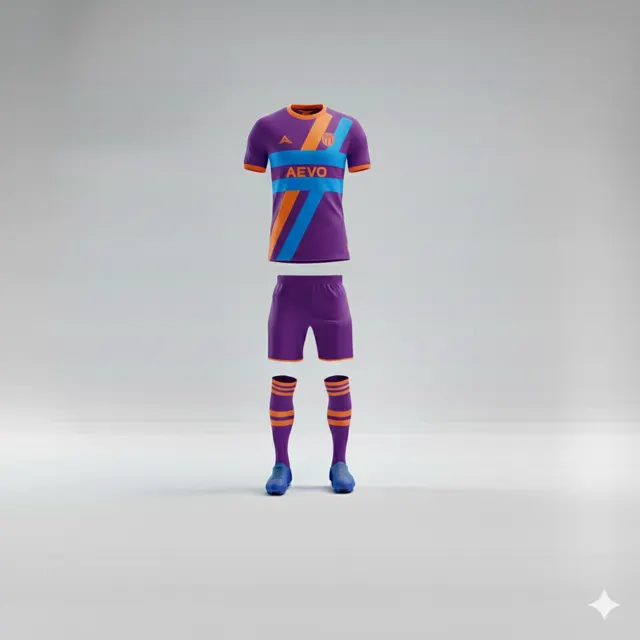
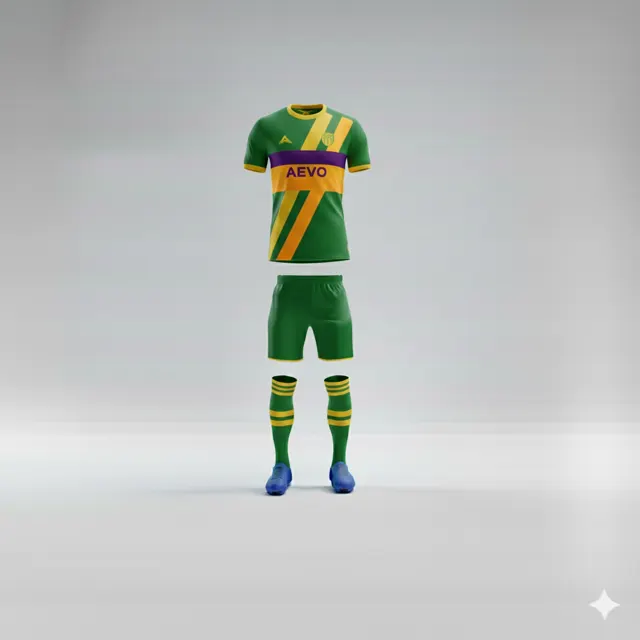
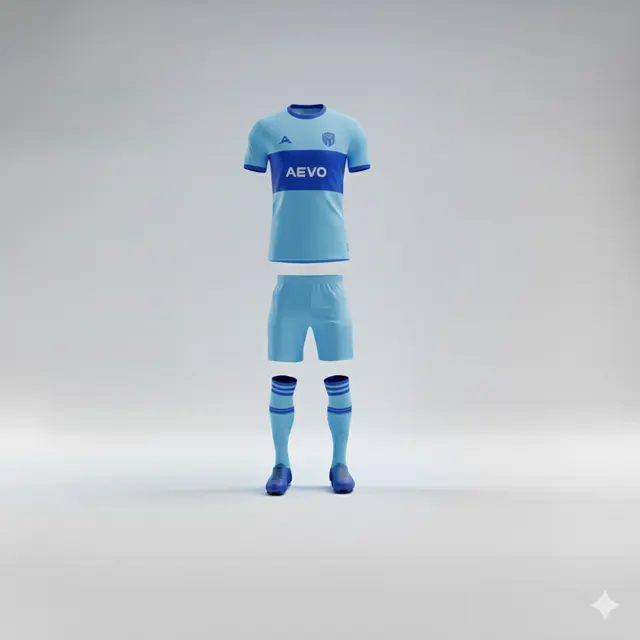
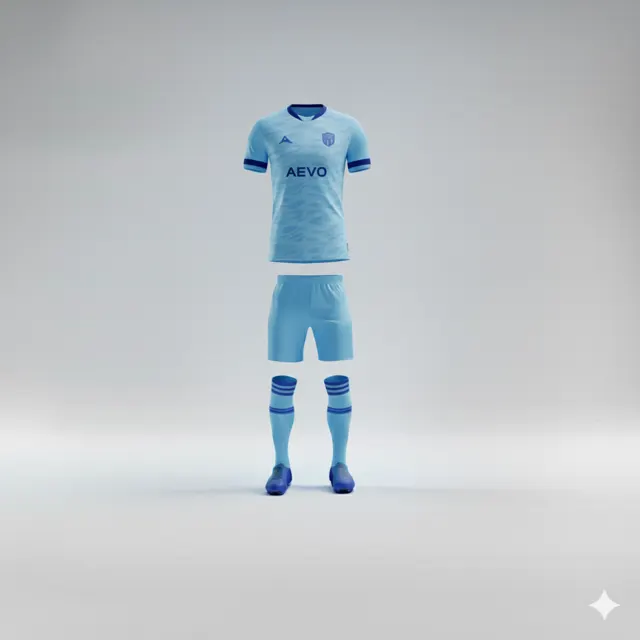
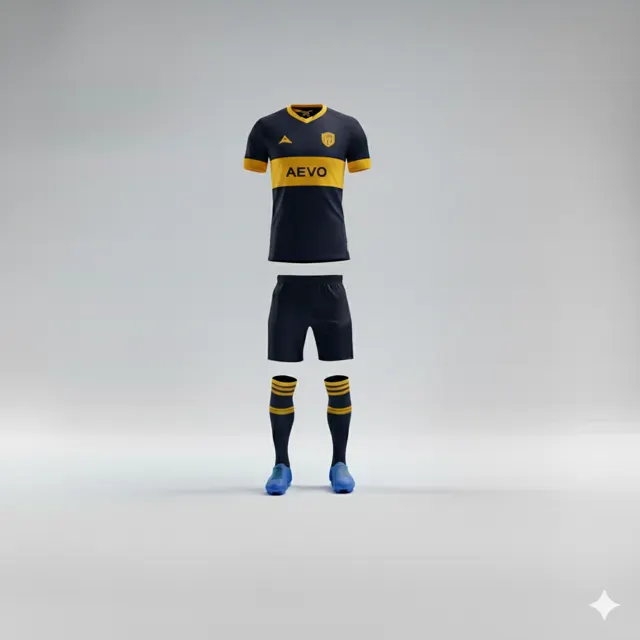
How to compare two football shirt concepts using the same review sheet
Compare two shirt concepts against the same questions on readability, club colours, crest space and practical feasibility.

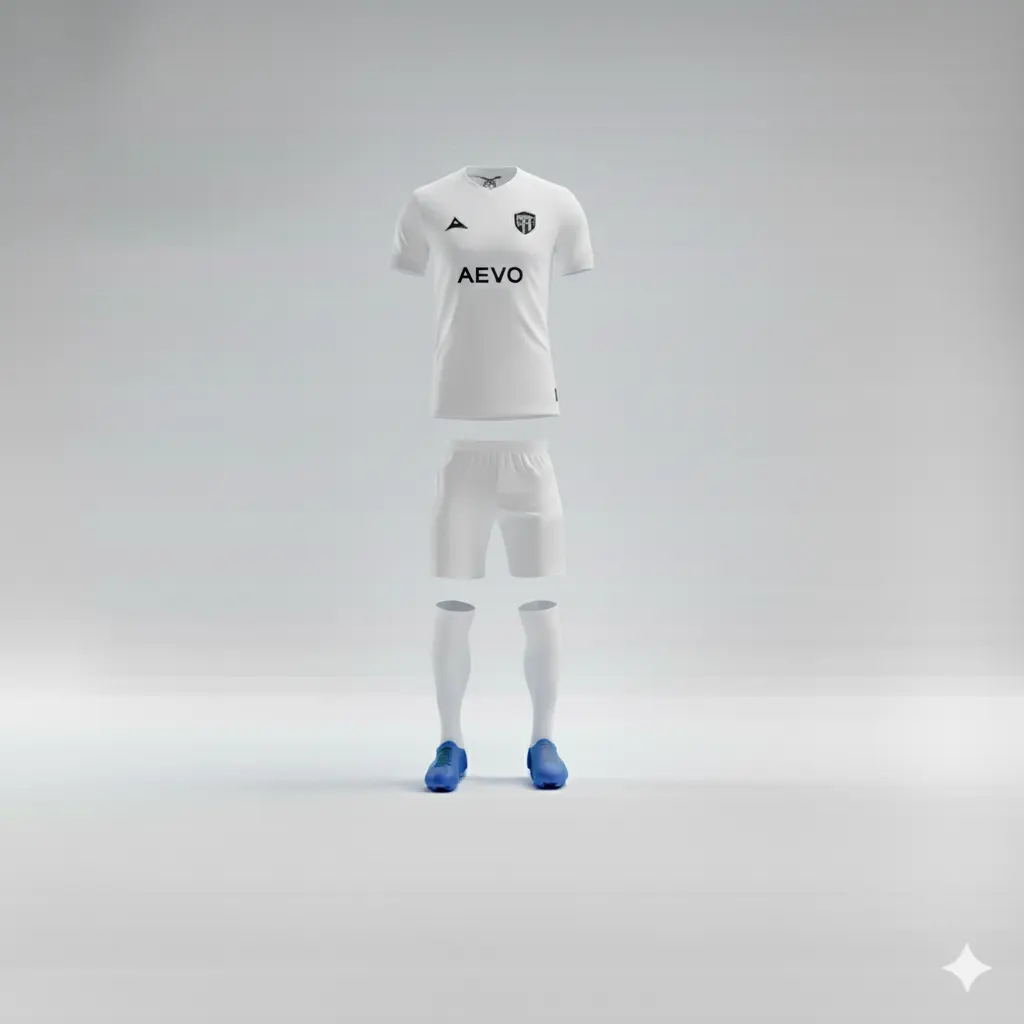
When two mock-ups are discussed at once, the newest, brightest or most enthusiastically presented option can win by default. A shared review sheet helps the club assess both on the same basis. It is not meant to produce a pretend-objective answer; it should show where concepts differ and which questions need resolving before a decision.
Compare the same views and garments
Make sure both concepts show the same garment, angle and approximate information. If one includes sponsor artwork and player personalisation while the other does not, the overall comparison is uneven. Note what is included in each proposal. Also identify details that are only ideas to verify, rather than confirmed production solutions.
Review legibility and identity first
Ask each reviewer to look at the concepts separately before discussing them. Then consider: Are the club’s main colours recognisable? Is the crest clear? Does contrast support numbers and personalisation? Mark “yes”, “needs adjustment” or “uncertain” instead of assigning scores that imply precision. A screen image cannot guarantee an exact colour match, so do not treat colour appearance as a promise.
Treat feasibility as a question to investigate
Consider whether the pattern and placements appear workable on the chosen garments, but ask the supplier about details that are not confirmed. Competition rules vary, so the club should verify them with the organiser. Check whether the design can work across the size range without important elements becoming obscured.
Record the reasoning, not just preferences
After the review, the group should be able to explain why one concept fits better or which parts of each merit further exploration. Consolidate specific improvements into one response. Browse current teamwear and use contact to ask about a revision or quotation. Make a budget decision only when price and scope are clear enough.
Make the comparison fair and useful
Ask reviewers to look at one concept at a time and record their observations before hearing which option others prefer. Otherwise an early reaction can shape the whole discussion. Let the sheet distinguish evidence from taste: “the crest disappears against the pattern” can be investigated, while “I do not like this style” records a preference. Both matter, but they call for different next steps. Include an “uncertain” option so nobody has to guess whether a print area is workable or a shade will match exactly. When you summarise responses, look for recurring concerns rather than counting every yes as a point. If a concept has a strong identity but weak legibility, a revision may be more useful than rejecting the idea outright. Save the review with the mock-up version numbers so the reasoning remains understandable later.
A neutral reader can review the summary before it is sent on. If they cannot tell why the group leans towards one concept, the reasoning needs to be clearer.