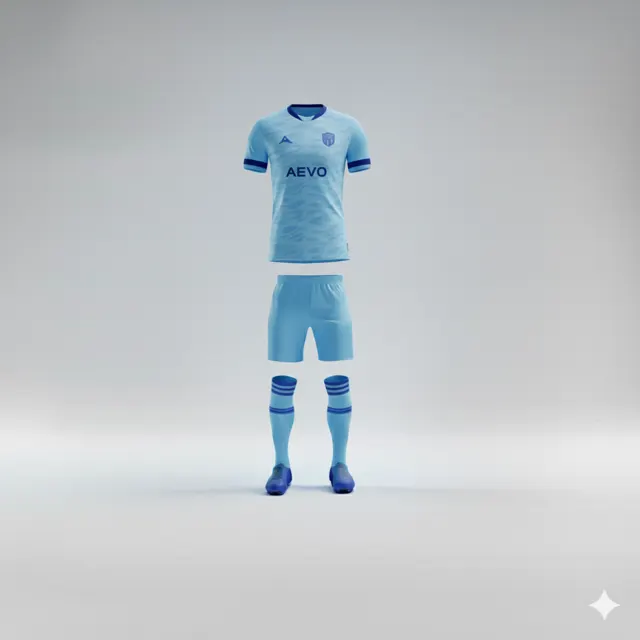
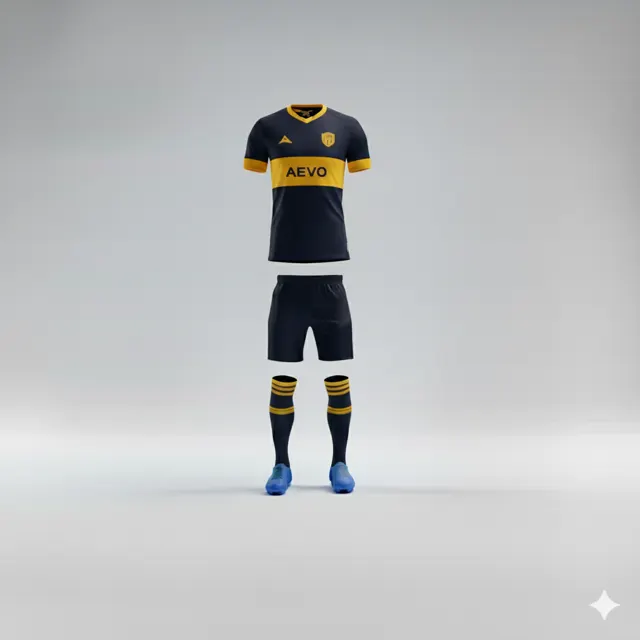
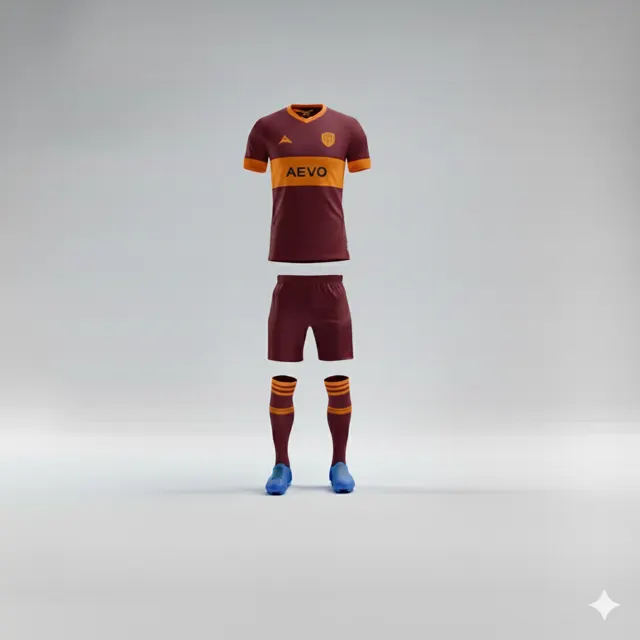
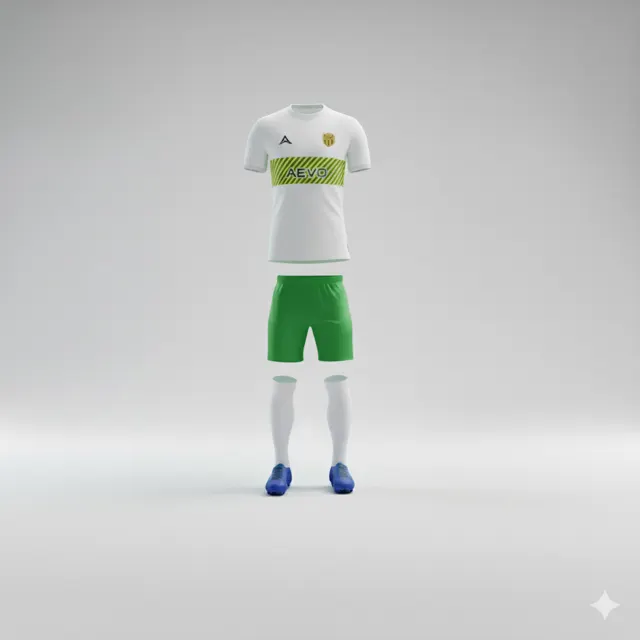
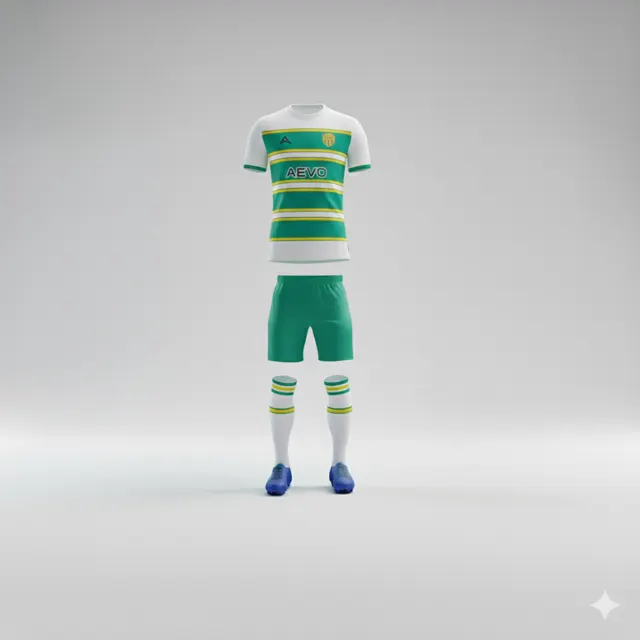
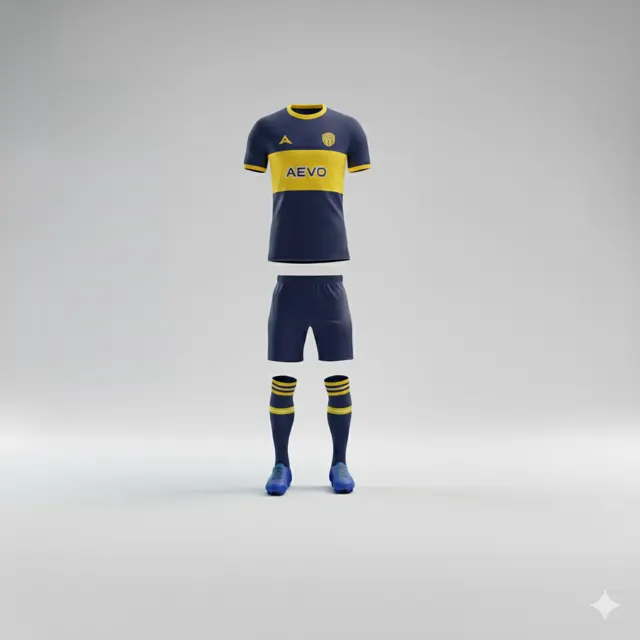
Write a one-page design brief for your club football kit
Put audience, garments, colour, graphics, personalisation, budget and decision timing into a concise brief that guides useful design feedback.

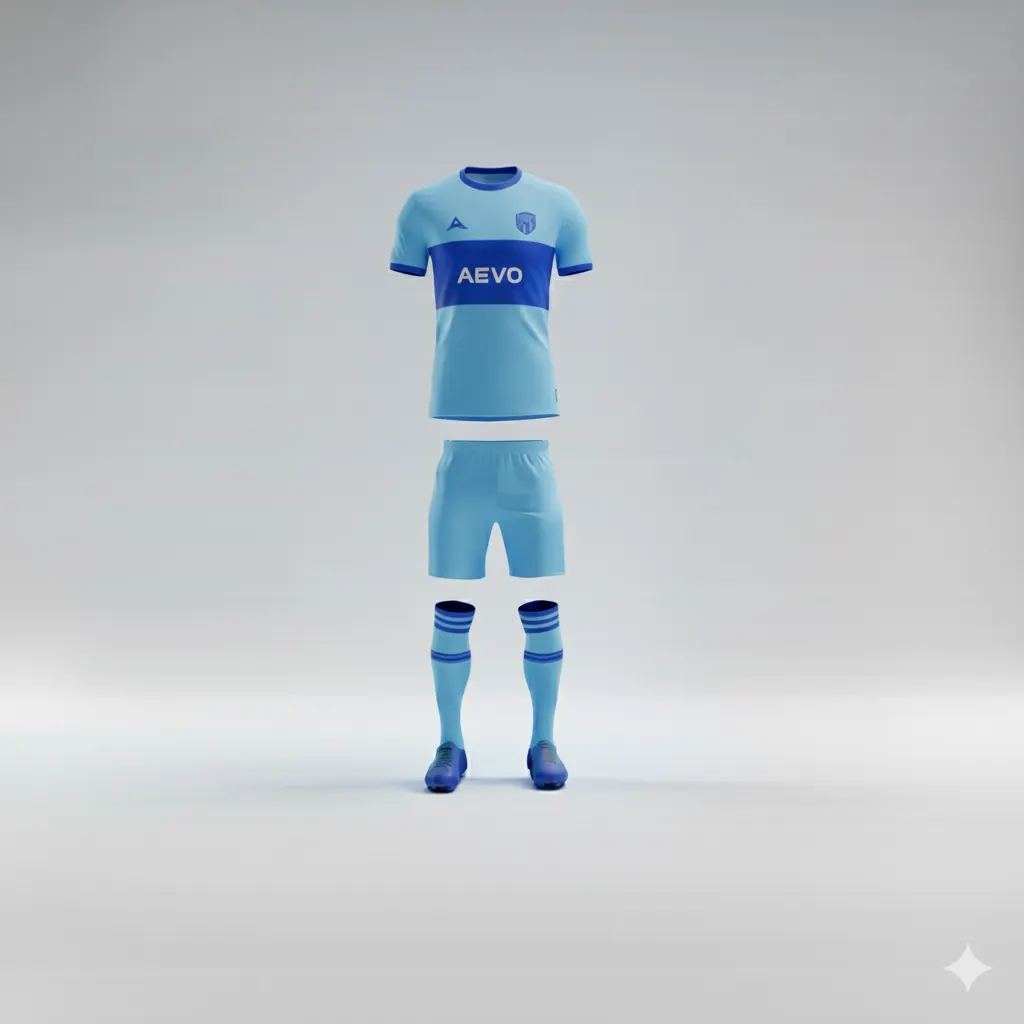
A good design brief should not lock every detail before anyone sees a mock-up. It should help the designer understand what the club needs and help decision-makers recognise a proposal that fits. One page is often enough if you distinguish requirements from preferences. Use concrete language: “a clear crest on the chest” says more than “something modern and smart”.
Start with the wearer and garment
Name the team and audience, how the clothing will be used and which items are in scope. Is the brief for a match shirt, a full kit or several teams? Explain whether the garment needs to work alongside something already in use, such as goalkeeper colours or an away strip. Avoid specifying fabric properties that have not been verified for the current product.
Describe the identity in visual terms
Record club colours and whether one colour must dominate. Describe the desired character with references such as pace, tradition or a local symbol, then translate those words into visual clues: broad colour blocks, fine lines or strong contrast. Attach the correct logo file and say whether sponsor marks should appear. Confirm the club has permission to use the supplied artwork.
Rank what needs to stand out
Say which details should be readable from a distance and which can be decorative. A crest benefits from clear space around it; a complicated pattern may compete for attention. Suggest locations for the crest, sponsor and player personalisation as points to test, not as automatic guarantees that every placement is feasible.
Add practical boundaries and decisions
Include an indicative budget range if the club can share it, the number of teams, approximate quantity, decision-maker and feedback date. Label what is fixed and what is open. Request a proposal and quotation before approving the cost. Browse available teamwear and send the brief through contact.
Finish the page with three questions: What must not change? What are we open to exploring? Who approves the next version? Their answers keep the conversation focused without turning the brief into a long specification.
Make the brief usable in a design discussion
Add a simple priority line near the top: required, preferred and open. A requirement might be using the correct crest file; a preference could be giving one colour more space; an open question might be whether a pattern should continue onto the sleeve. This distinction stops an early idea from being mistaken for a binding instruction and shows where the designer may offer an alternative. If several teams are involved, say which choices should be shared and which may vary. Specify what you want the recipient to return: a mock-up, questions about the logo file or options for colour placement. The page then supports a useful conversation instead of pretending to be a finished specification. Read it aloud before sending; if two people interpret a phrase differently, replace it with a concrete description.