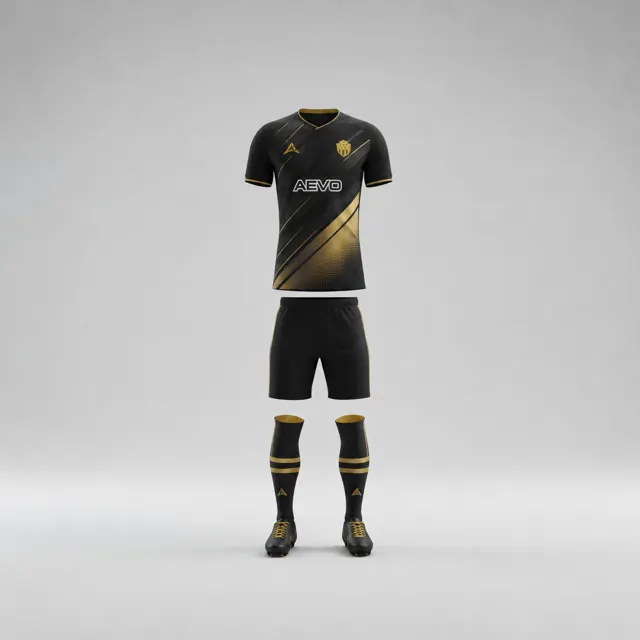
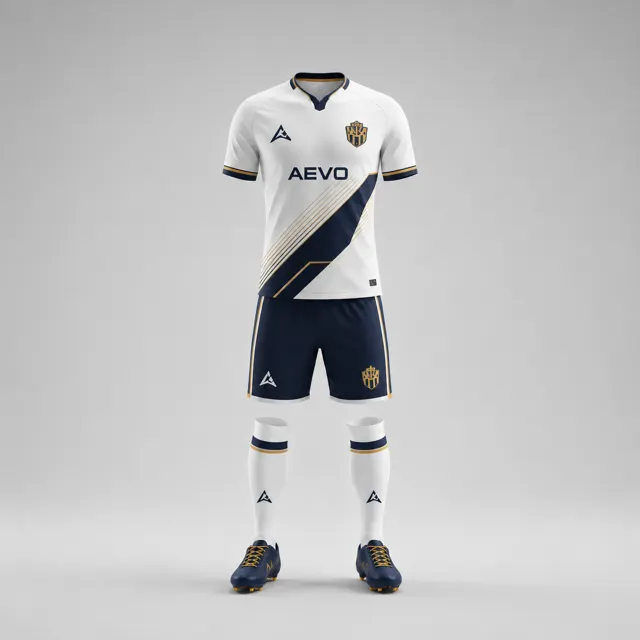
Create a simple colour system for several youth teams
Set shared base and accent colours for a club’s youth teams while allowing clear, manageable variations between age groups.

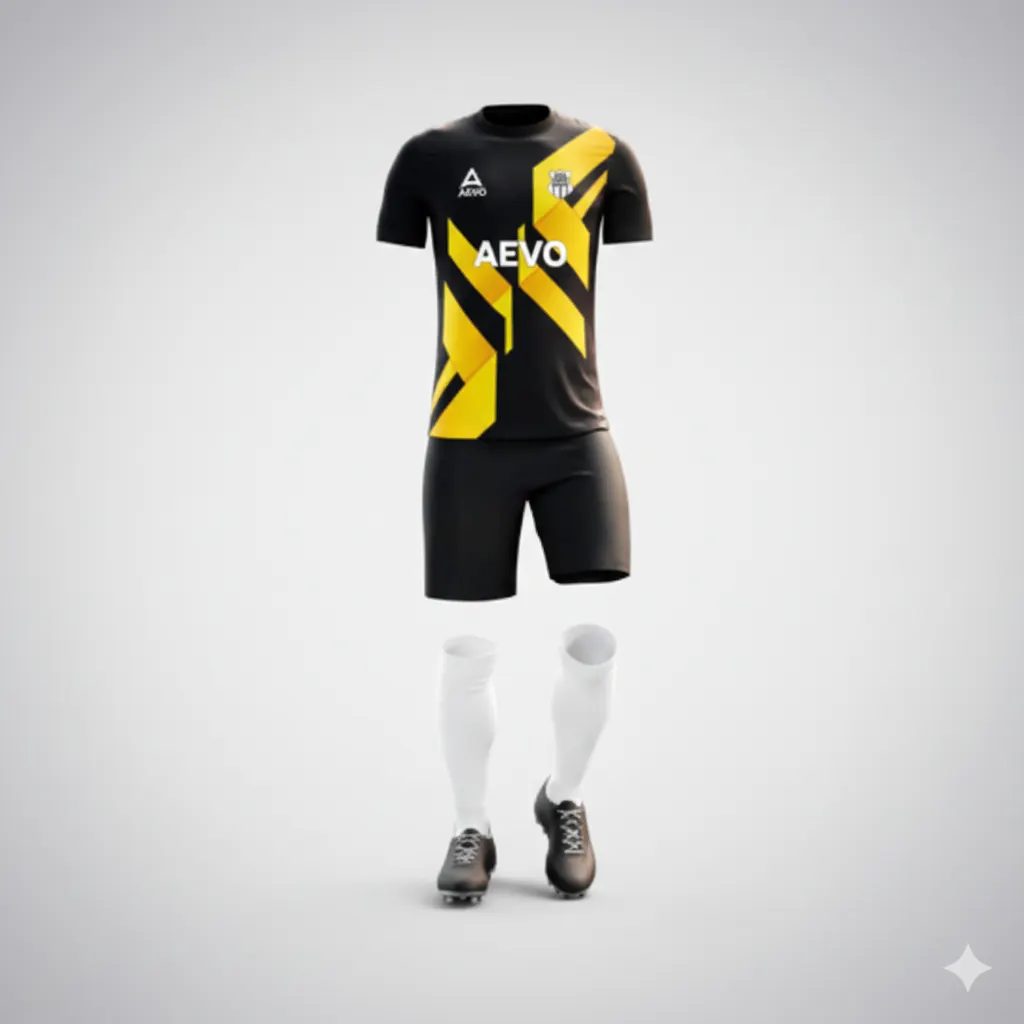
A club with several youth teams needs more than a separate kit idea for every age group. A shared colour system can make the club recognisable across the training ground while leaving room for each squad to have a character of its own. The aim is not to make every shirt identical; it is to agree which visual cues belong to the club and which may vary with age group, team or season.
Decide what stays consistent
Start by listing the identity elements that should carry across the youth section. Usually the club’s approved colours and crest are obvious starting points, but placement and proportions also matter. Decide whether every team should use the same dominant shirt colour, repeat a particular accent or keep a similar treatment around the badge. If teams share a parent identity but have different traditions, record those distinctions rather than flattening them into one rule.
Make a one-page palette card that gives the base colour, accent and neutral a clear role. Add approved colour references where available and a small example showing how much of each colour is intended. Avoid relying on labels like “blue” or “bright red” alone. The club can explore custom team kit options with this guide, then evaluate actual garment layouts against its shared identity.
Define permitted variation, not endless exceptions
Young teams may need practical differences: a second colour arrangement, an age-group identifier or a detail chosen by a squad. Decide in advance what can change without asking the whole club to restart the design discussion. For instance, the base and crest treatment may stay fixed while a limited accent detail varies. Keep the number of choices small enough for coaches and kit organisers to explain clearly.
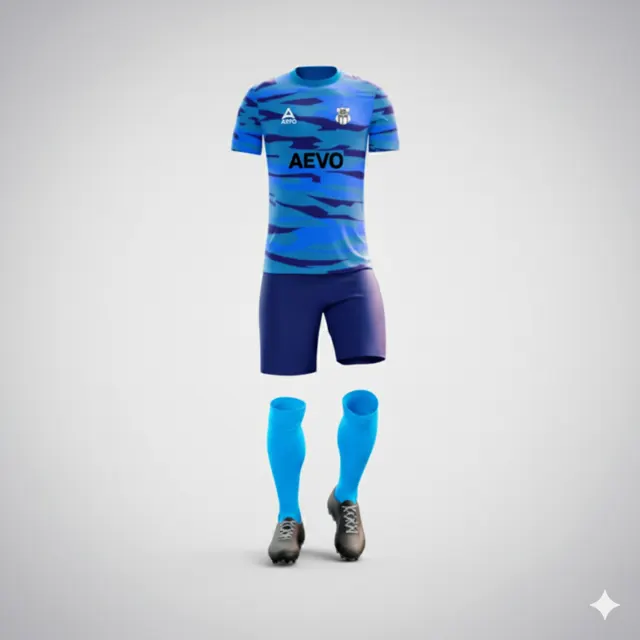
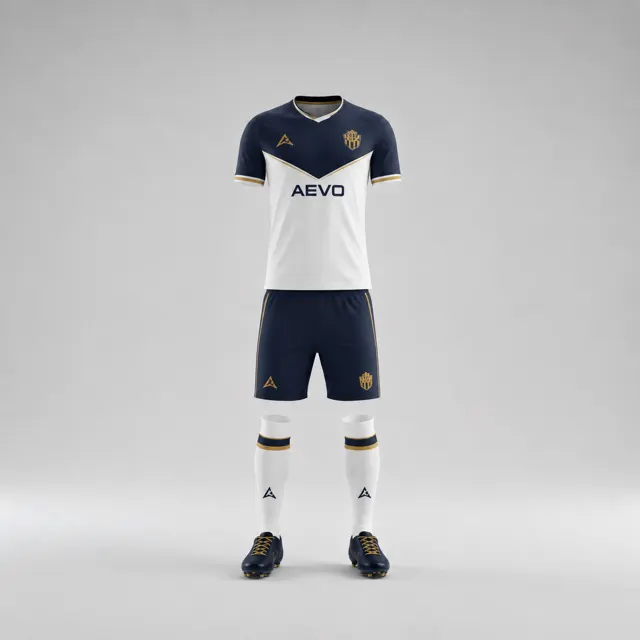
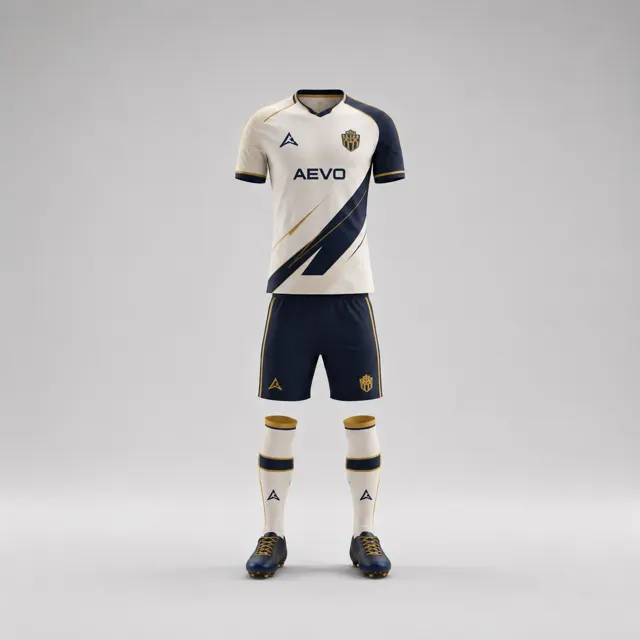
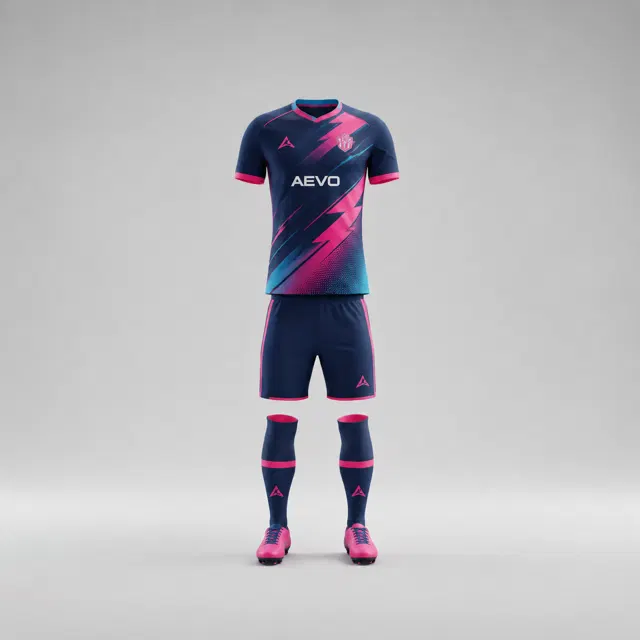
Test the system on more than one mockup. Place two age groups’ concepts side by side and ask whether they look like parts of one club before noticing their differences. Check the crest against each background, and ensure that name and number colours remain distinguishable. If teams have different kits for home and away use, compare the pair together rather than treating each colourway as unrelated. The gallery can spark ideas, but use your own crest and agreed colour references for the decision.
Make the system easy to hand over
Write down who may approve a variation, how the club stores the latest logo and colour files, and what information the kit provider needs. A simple record avoids one coach sending an outdated crest while another uses a new colour interpretation. It also helps a volunteer hand the role to someone else without having to reconstruct earlier decisions from messages.
Do not promise that every item or reorder will be available in every variation; confirm product and order details for the current request. If league requirements affect the design, check the organiser’s current guidance separately. A consistent system should make decisions easier, not introduce assumptions about stock or competition approval.
Share the palette, allowed variations and team list with AEVO when requesting a design proposal. Ask for a mockup that shows the youth teams together, then review the visual relationships before seeking a quote. A clear colour system gives young players a visible connection to the club while letting each team feel like its own side.