What should a club keep after approving the design and size list?
Keep the approved mock-up, size list, quotation and decision record together so the club can trace what it authorised and support the next kit coordinator.


Once a club has approved the design and size list, it can be tempting to delete drafts and move on. But if someone asks which crest file was approved or why a size changed, an orderly archive is more reliable than memory. Keep the material that shows both what the club decided and what information supported the decision. This does not need to become a complex records system; a clearly named folder with versions is often enough.
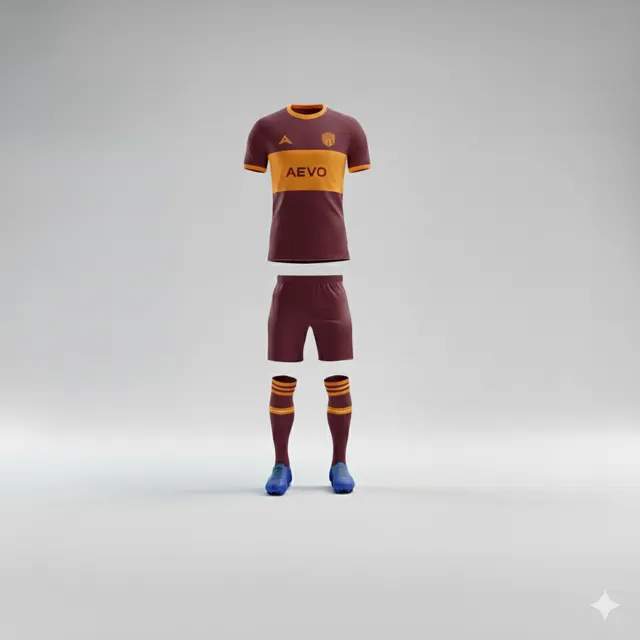
Keep the approved artwork
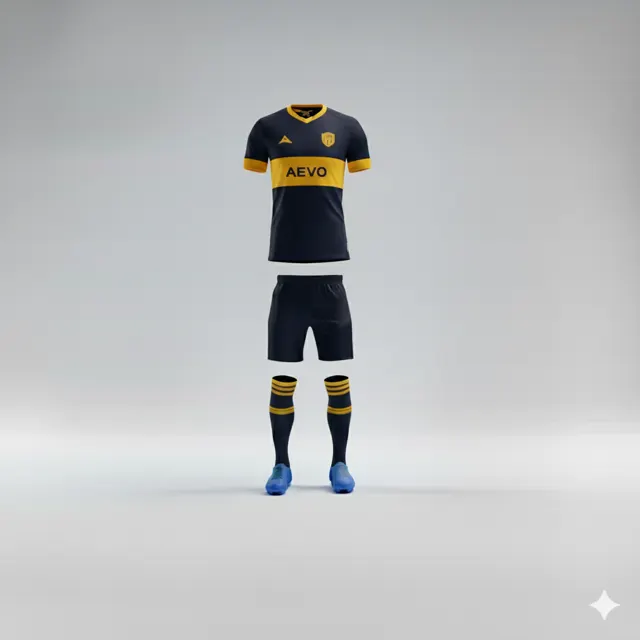
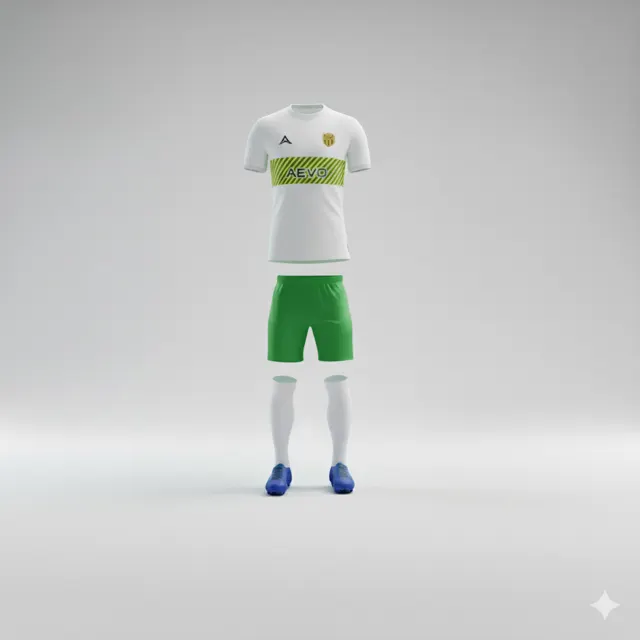
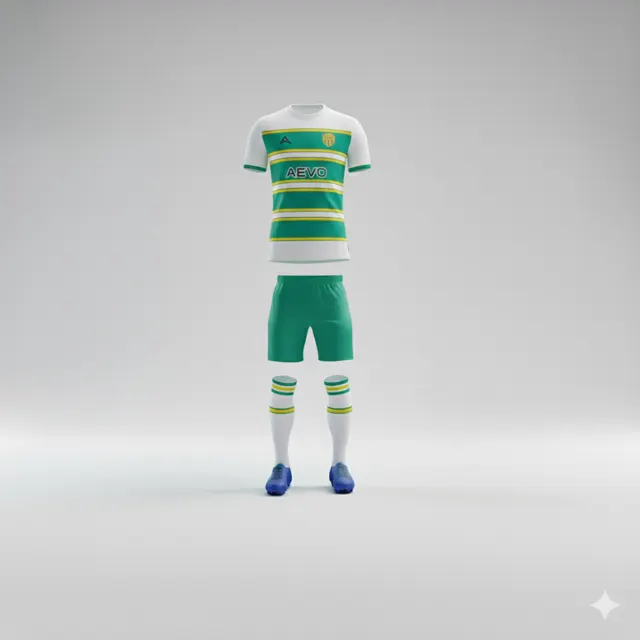
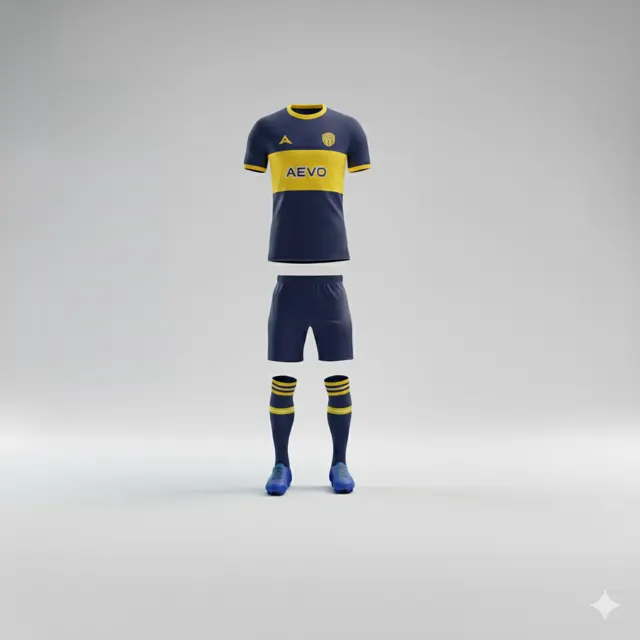
Save the final mock-up in a format that can be opened later, along with any note identifying colours, placements and garment choices. Name the file with a date or version number. Avoid leaving several files that all appear final; move older artwork to a folder marked superseded. If the crest source file was part of the approval, retain the exact file used and note who supplied it.
Preserve the list and its sign-off
Keep the size and personalisation list that was sent forward, with its date and responsible contact. Retain confirmation that names, numbers and quantities were checked. If details change later, create a new dated version rather than overwriting the record. Limit access to personal data to the people who need it for their role.
File the cost information and decision
Store the quotation or other cost information alongside the board or budget approval. Note whether the figure applied to a particular quantity or selection, so it is not later mistaken for a universal price. Keep relevant decision emails and any unresolved questions. Do not place sensitive payment information in a broadly shared folder unless it is needed there.
Make the archive easy to hand over
A simple structure might use folders for artwork, lists, decisions and correspondence. Add a short note at the top saying which file is final, who the contact is and when the folder was updated. That makes it easier for the next kit coordinator to take over. Review the order information before a future request and use contact to ask for a new proposal. An archive records past approval; it does not guarantee future stock or reordering.
Decide who needs the records and for how long
The archive should help the next coordinator without preserving every informal discussion. Keep approvals, version files and messages that explain significant changes; remove duplicates that make the correct file harder to find. Decide who may access the squad list and how long it is needed under the club’s personal-data practices. A future volunteer may need quantities and approved choices, but not everyone’s private contact details. If the quotation changed during the process, retain the version that was actually approved and mark others superseded. A short handover note can describe the last order, important choices, assumptions that should not automatically carry over, and the current contact. This helps a new kit coordinator start in the right place without drawing conclusions the records do not support. Keep historical notes separate from any promise of future availability.