From club history to a graphic theme: a way to find design ideas
Turn a verified club symbol, place or colour into a graphic idea without inventing history. Build a grounded football kit brief.

Gather real references before sketching
Club history can give a shirt a personal foundation, but only when its details genuinely belong to the club. Start with things you can check: colours in the badge, a place the club uses, or a local building with a documented connection. Ask the committee, archive volunteer or long-standing members for a source or a specific memory that can be verified. Do not fill a gap with an attractive story no one can substantiate. The aim is not to fit the entire history into a fabric pattern; it is to find a detail members recognise and want to wear.
Translate a reference into a graphic language
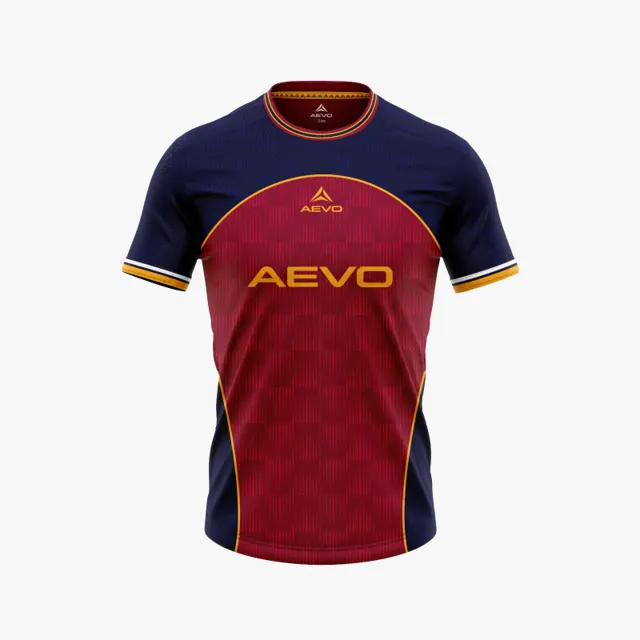
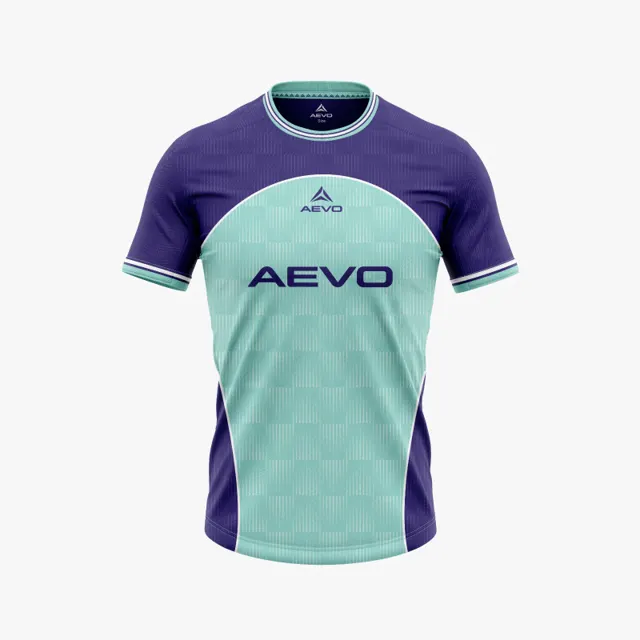
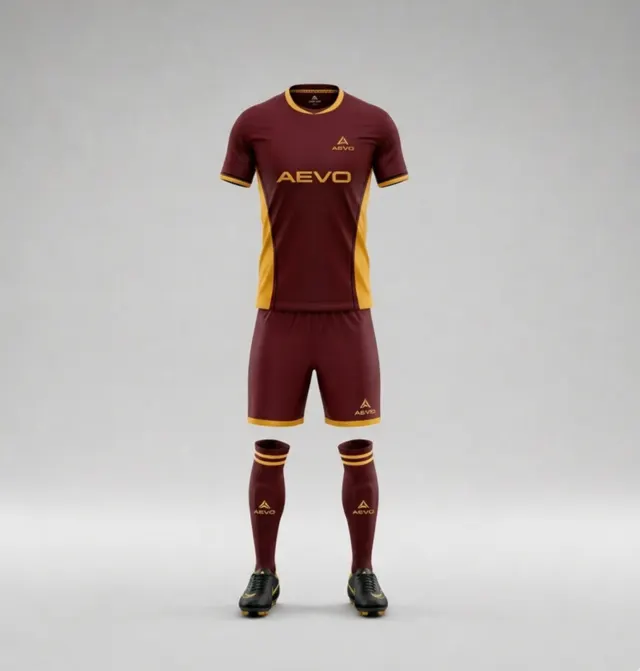
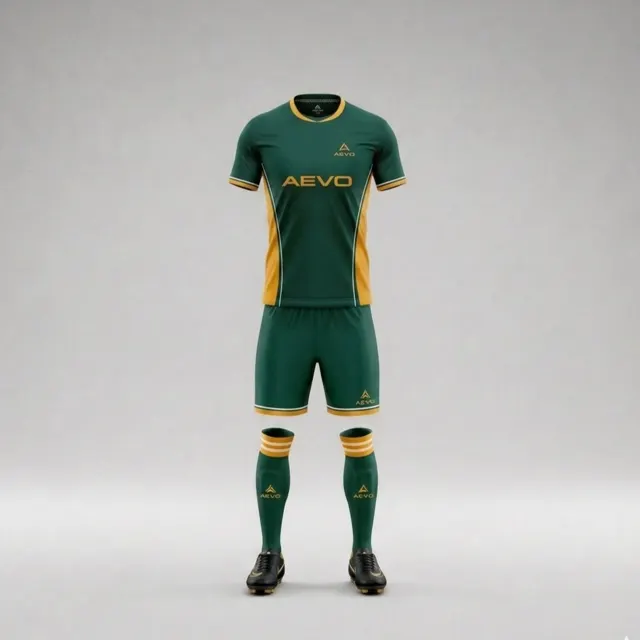
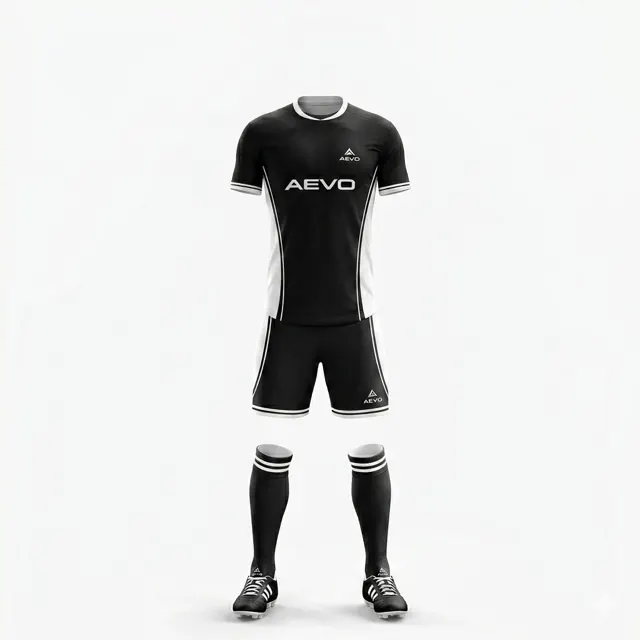
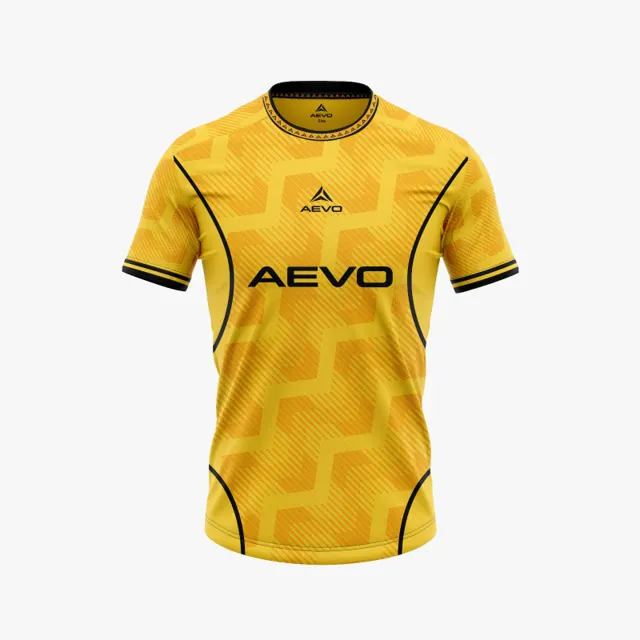
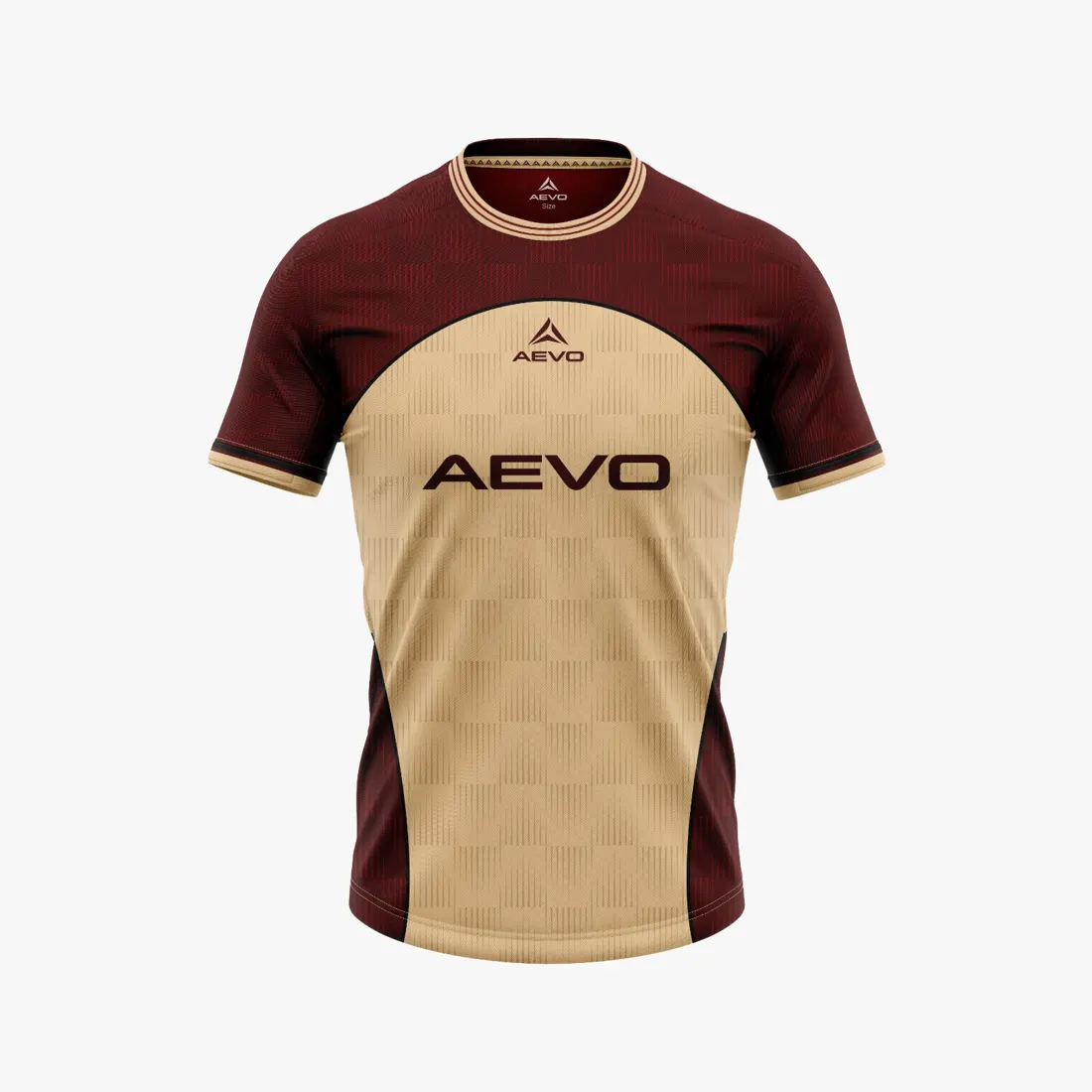
Once you choose a reference, ask how it might work visually. A local silhouette could become a simple contour; a symbol in the club crest might inspire a repeated geometric shape; a traditional colour combination could guide the placement of colour blocks. Start with broad forms, not an illustrated narrative with many tiny scenes. Decide which qualities matter: rhythm, direction, symmetry or a relationship between colours. Make two or three quick versions of the same idea so the group can choose an expression without losing its source. When browsing different team kits, notice how a few visual cues can give a garment character without explaining everything.
Check that the theme still feels like your club
Show the sketches to people who know the club and ask what connection they see before explaining the background. If no one spots it, that is not automatically a failure; the reference may be intentionally subtle. But if interpretations go in completely different directions, make the theme clearer or return to a more relevant source. Check that the graphic does not unintentionally resemble another brand’s or club’s protected symbol. Use a crest or historical motif only when the club has the right to use it. Keep the ambition manageable: a shirt can carry one reference without retelling the club’s entire story.
Let the reference inform, not control, the whole design
In the brief, state where the idea comes from, which visual quality you want to carry forward and which areas you want to keep clean. This lets the designer understand the intention and propose a solution that works on a garment. Then review how the theme sits with the crest, wording and colours across different views. If inspiration comes from a particular place, an abstract line may work better than a detailed illustration, especially when other elements need to share the shirt. Keep approved images and references together. Once the idea is grounded, contact AEVO for a design proposal or explore team kits before choosing a direction.