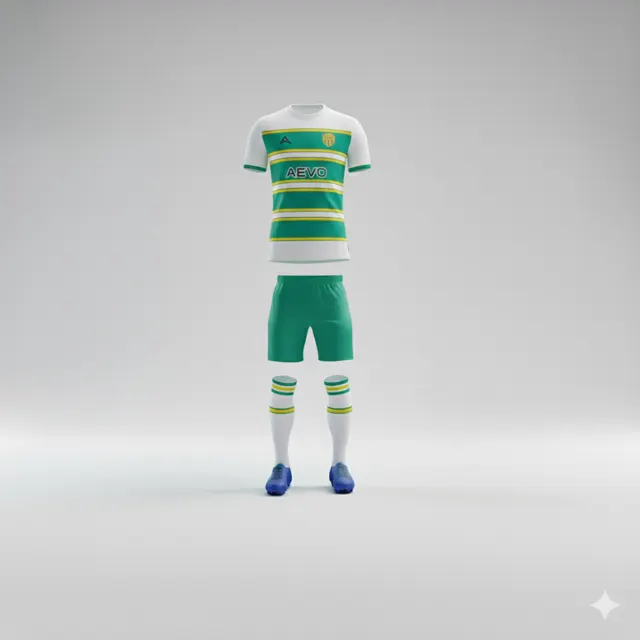
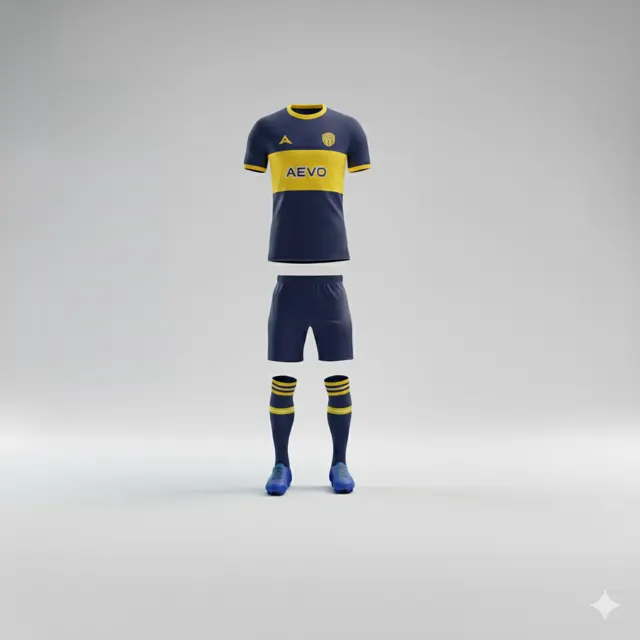
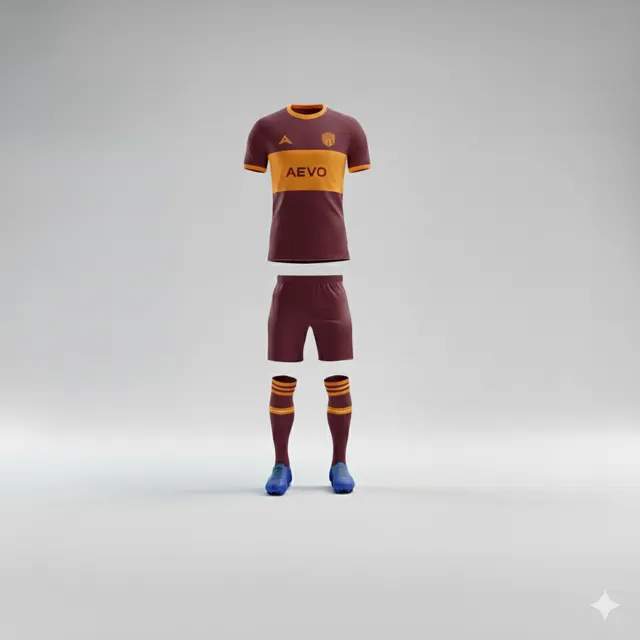
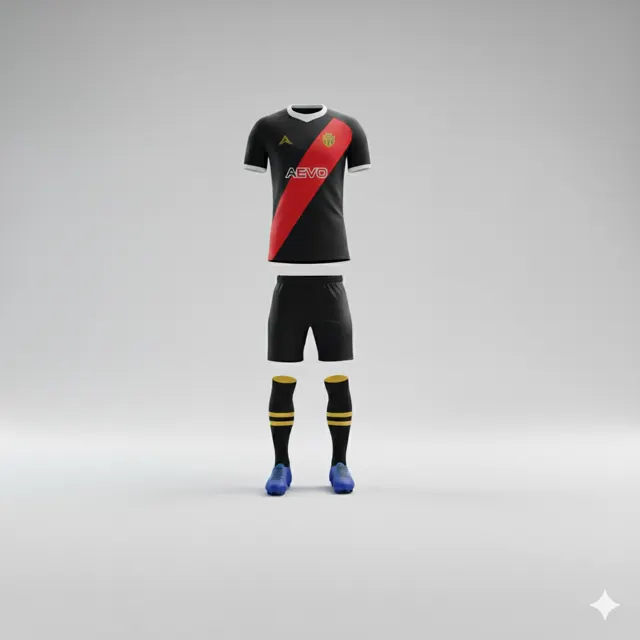
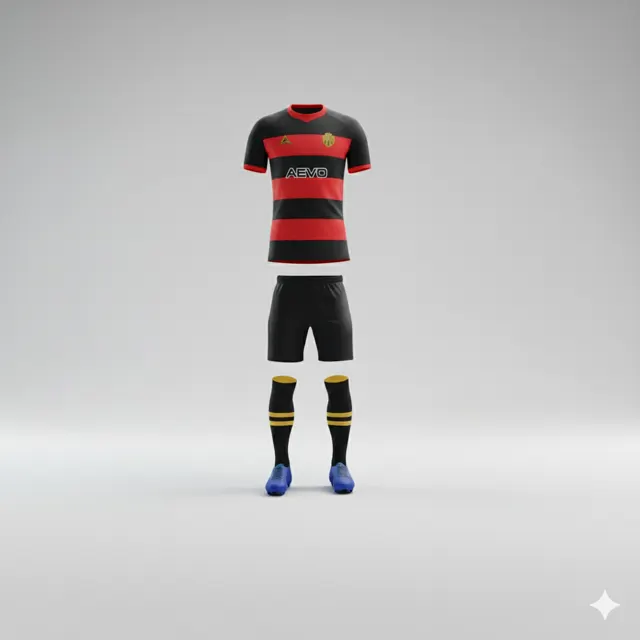
Set an internal deadline for feedback on the team shirt design
Choose a realistic internal deadline for comments on a team-shirt mock-up so reviewers have time without letting a decision drift.

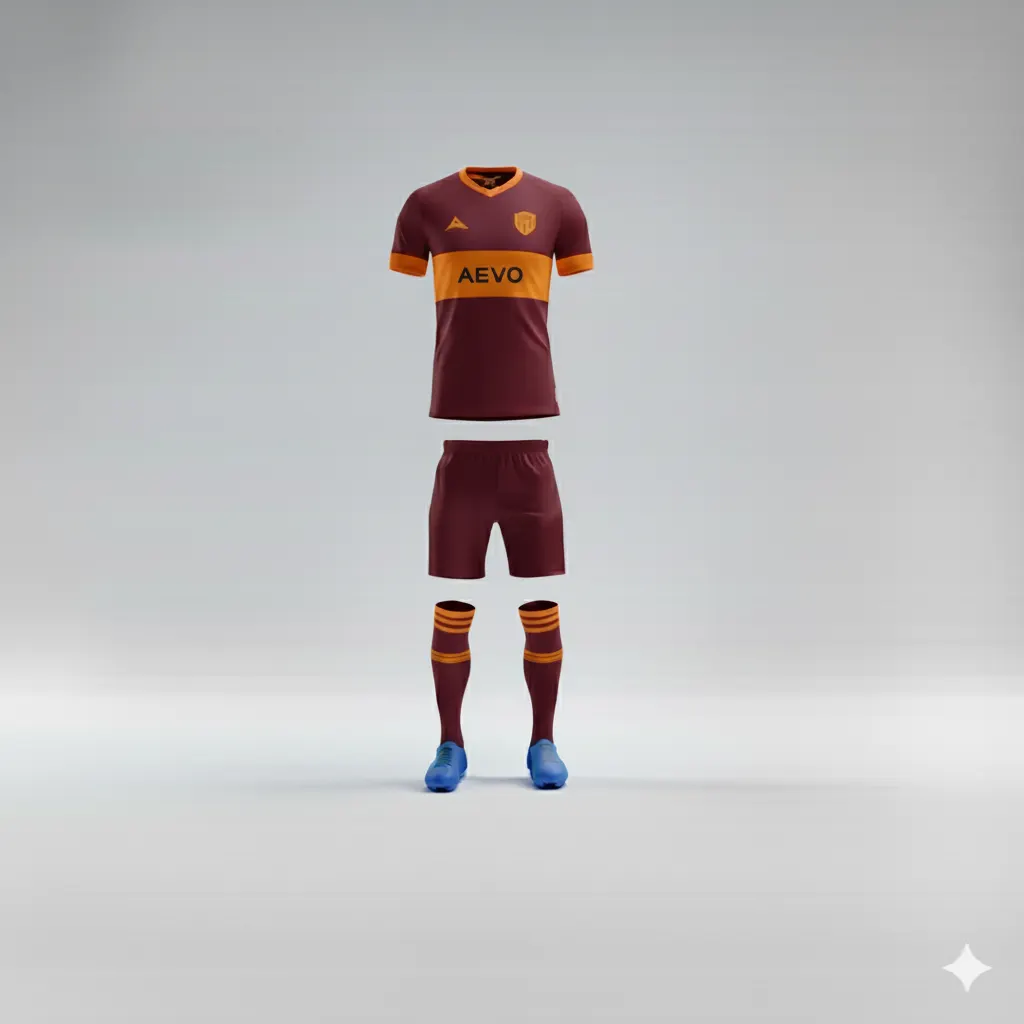
A design mock-up sent without a reply date can sit in inboxes while the coordinator wonders whether silence means approval. An internal deadline helps collect useful comments and move the club forward. It should give the right people time to review, not create an artificial promise about when production will be complete. First identify what needs review: colours, crest, sponsor placement or personalisation.
Work backwards from the club decision
Choose when the club needs to decide and how long the board or authorised person needs to consider the feedback. Allow time to collect comments and a margin in case another mock-up is needed. A date that suits a senior squad may be unrealistic during school holidays or when volunteers are away. Reviewers should receive the artwork early enough and know exactly where to send their response.
Ask for feedback people can act on
Share one clearly labelled version and ask focused questions. For example, ask reviewers to confirm that the club colours and crest are correct rather than inviting an entirely new concept without context. Say whether comments should cover every garment or only the match shirt. One response channel and format reduce the chance of important notes disappearing among private messages.
Follow up without treating silence as consent
Send a reminder before the deadline and explain what happens next: the coordinator will consolidate comments, take a recommendation to the authorised decision-maker or request a revised mock-up. If someone has not replied, check whether that person actually needs to approve anything. Do not describe a missing reply as formal consent unless the club has adopted that procedure.
Close the review round clearly
After addressing comments, send a short summary and identify the version moving forward. Keep it with the decision record. For the next ordering steps, consult the order information or contact AEVO through contact. An internal feedback deadline organises the club’s review; it is not a delivery estimate.
Match the deadline to how the decision will be made
A feedback period works best when it reflects who must review the mock-up and how the club makes its decision. If the kit coordinator is checking one detail, a short internal window may be enough; if players, coaches and the board all need to respond, allow time to coordinate. Ask each reviewer to answer questions relevant to their role rather than inviting general taste comments. In reminders, identify the same version and state clearly when feedback closes. If a substantial change is made after the deadline, consider whether affected reviewers need another look instead of treating the first window as blanket approval. Decide who will reconcile conflicting comments: two preferences may not be compatible, so the authorised decision-maker may need to prioritise. A brief note explaining what changed after review shows contributors that their time mattered.