How to Build a Football Kit Brief When Several People Decide
Bring coaches, players and sponsors around one football kit brief with clear priorities and approval roles. Ask AEVO for a free design mockup.

When everyone has an opinion but no shared direction
The prospect of new team kit is exciting. The coach is thinking about practicality and colours, players about how the shirt looks, the treasurer about the spend and the sponsor about its logo. If every comment goes straight to the person coordinating the order, the group chat can quickly become a stream of conflicting preferences. It may be unclear which points are essential and who is actually authorized to approve the design.
A useful kit brief is not a way to shut people out. It gathers their input into a direction that a designer can work with. The team will have a calmer discussion if it agrees first on how feedback will be collected, which decisions are fixed and who will issue the final response.
Agree on roles before debating the design
Name one coordinator to collect files and comments, and one person with authority to approve the design on behalf of the club. In a small team those roles may belong to the same person, but make the arrangement explicit. The coordinator keeps feedback organized; the approver checks that the decision fits the club’s authority. Players, coaches and sponsors can contribute without each comment becoming a new instruction.
Talk through any internal process too. Does the board need to confirm certain decisions? Which sponsor contact can approve logo use? Who knows the club’s colour references? Resolving those questions early leaves more time to discuss the design itself and reduces the chance of reopening a decision after a proof has been prepared.
Separate identity, requirements and preferences
It helps to sort input into three kinds. Club identity includes features that should remain recognisable, such as its colours or crest. Practical requirements might include legible names and numbers or a distinct goalkeeper option. Then there are style preferences: a subtle pattern, a certain collar or a modern look that some players favour.
Preferences matter, but they do not all carry the same weight as an agreed requirement. If some people want a light design and others prefer dark, return to shared criteria: are the club colours visible, is the contrast clear and does the concept feel right for the team? Discussing what the design needs to achieve can be more productive than asking everyone to vote on every personal taste.
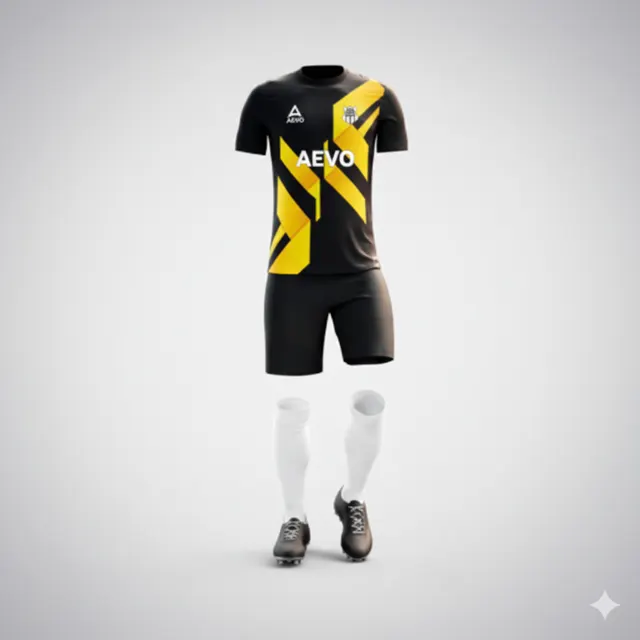
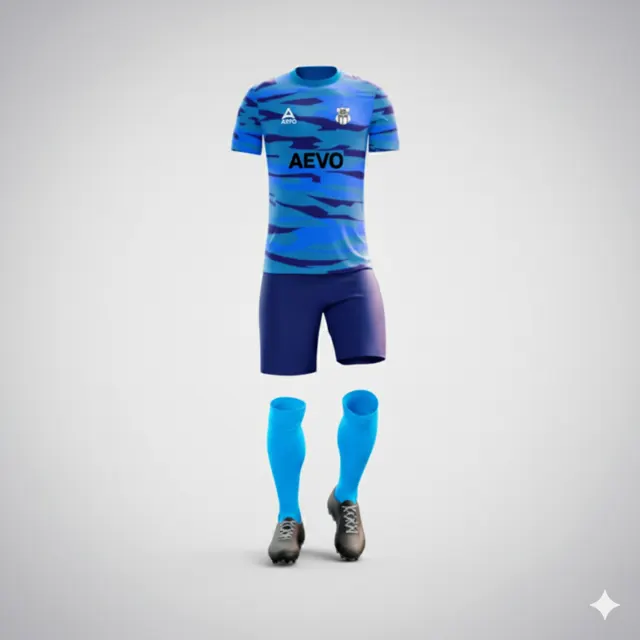
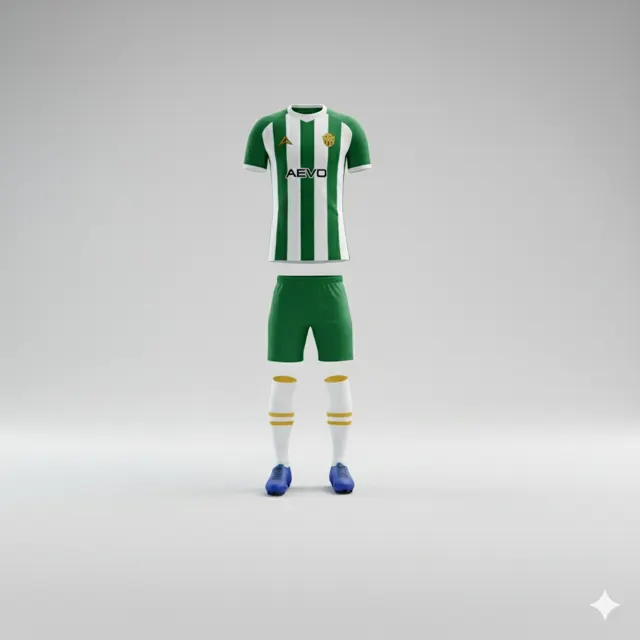
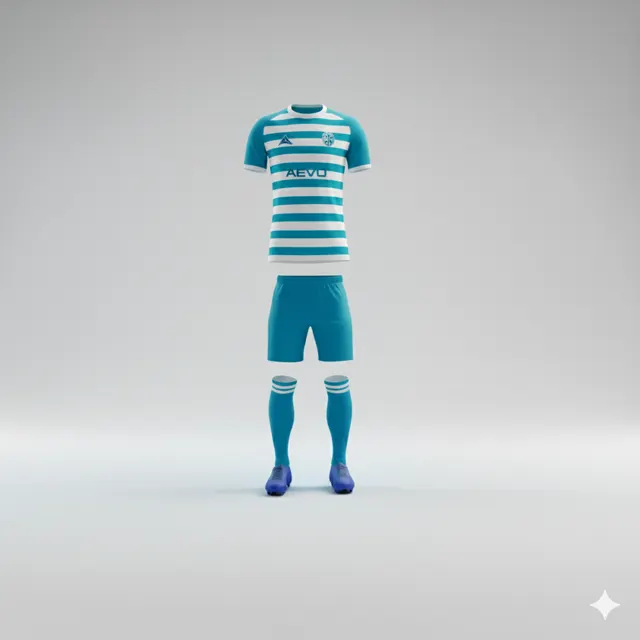
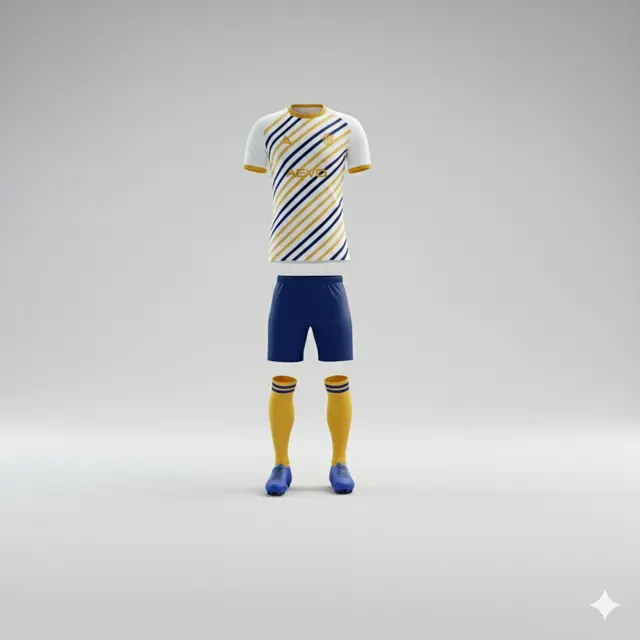
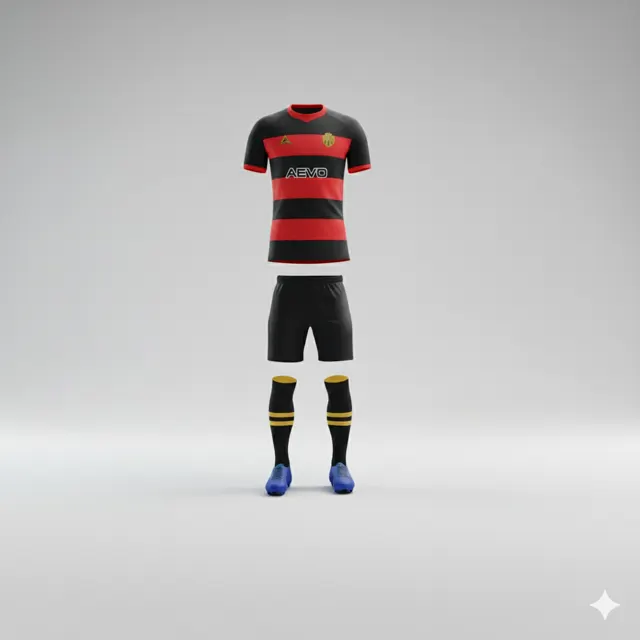
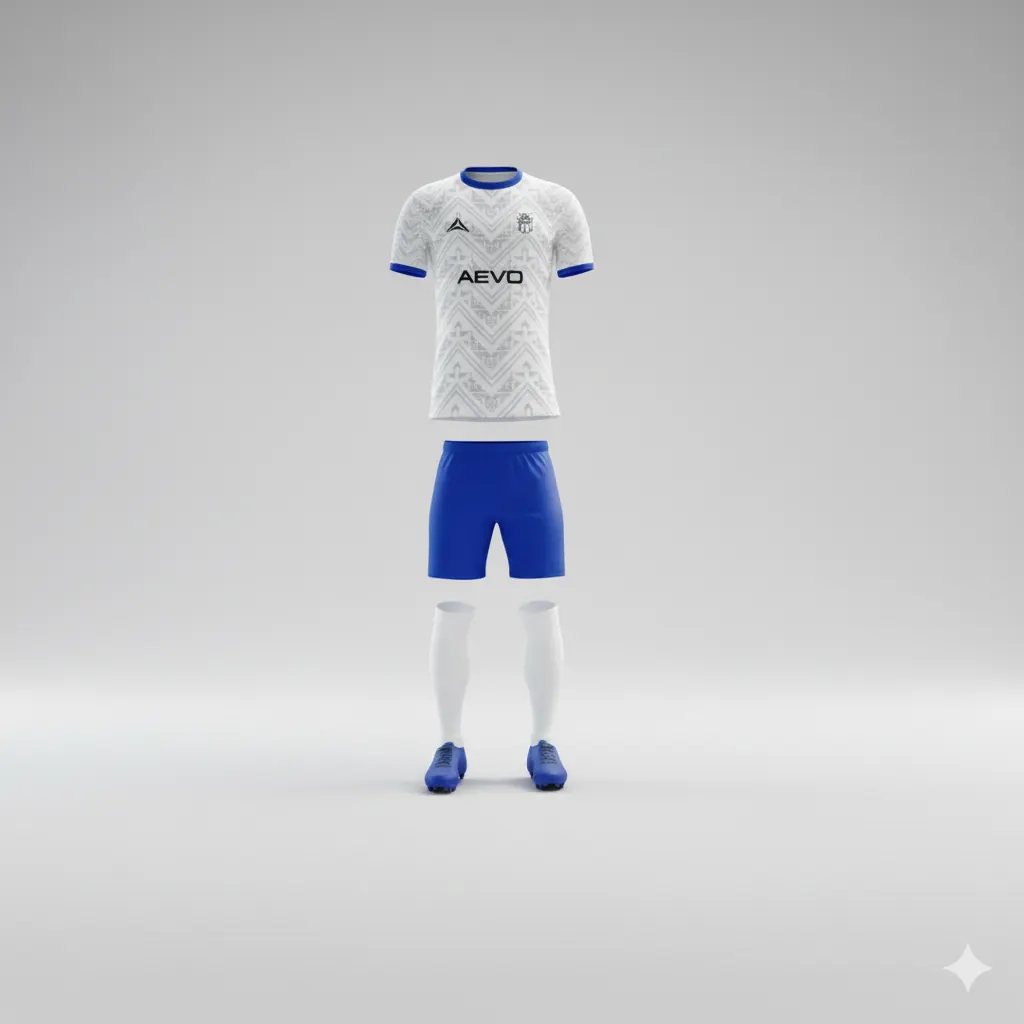
Keep the current crest, approved sponsor artwork, colour references and practical notes together. Confirm the club may use each logo and obtain sponsor permission when needed. The customizable kits on AEVO’s kits page offer a place to explore ideas, while the brief should explain what your own team needs and which elements may be explored.
Turn feedback into something a designer can use
When the proposal arrives, have the coordinator consolidate comments instead of forwarding every message individually. Ask contributors to identify one specific point: what is not working, what change would help, and is it a requirement or a preference? “I don’t like it” is difficult to act on; “make the sponsor mark easier to read against the background” gives the team a concrete issue to discuss.
Set a feedback window and tell everyone which version to review. The coordinator can combine similar requests and flag conflicts for a decision. If a club policy or sponsor condition needs checking, resolve that before sending a change. For substantial revisions, ask for an updated proof so the group is responding to the same design, not a mix of old screenshots and new comments.
A hypothetical scene at a club meeting
Imagine a hypothetical local side where the coach favours a classic look, several players want a more modern pattern and the sponsor needs to approve how its mark is used. The treasurer also wants to understand the scope before the club proceeds. The coordinator asks everyone to assess two agreed criteria first: the club colours must remain visible and the sponsor logo must be legible. Other style choices can remain open to the design proposal.
At the meeting, she gathers preferences, asks the sponsor contact to verify the logo version and leaves the final design decision with the designated approver. This is an illustrative situation, not a real customer story or a promise that everyone will agree immediately. It shows how agreed decision roles can help the club send coherent feedback even when tastes differ.
Make the brief useful to the next person
A concise brief can fit on one page: the team’s needs, fixed requirements, preferences, who reviews and who approves. Attach the relevant artwork and note sponsor conditions; mark questions that are still open. Avoid hiding decisions in an old chat or asking different people to describe the design from scratch.
Once the brief is ready, contact AEVO to discuss a design proposal. The website advertises a free mockup within 24 hours; confirm what applies to your enquiry. A coordinated brief gives the design discussion a clear starting point and helps the team know when it is ready to approve.